




19
2026

Square Cube Ice and Nugget Ice in Beverage Presentation
Introduction: Ice shape changes melt, mouthfeel, and visual presentation in drinks, so bar and drink-shop learners need a practical way to compare square cubes and nugget ice.
In a busy bar or drink shop, ice is not a neutral filler. It changes how fast a drink chills, how the surface looks, and how the ice feels in the mouth. Square cubes and nugget ice sit at opposite ends of the shape spectrum: one is blocky and dense, the other small and porous. The difference is easy to see in the glass, but the reasons sit in geometry, surface area, and structure. This comparison explains those effects without pushing one shape as the right business choice.
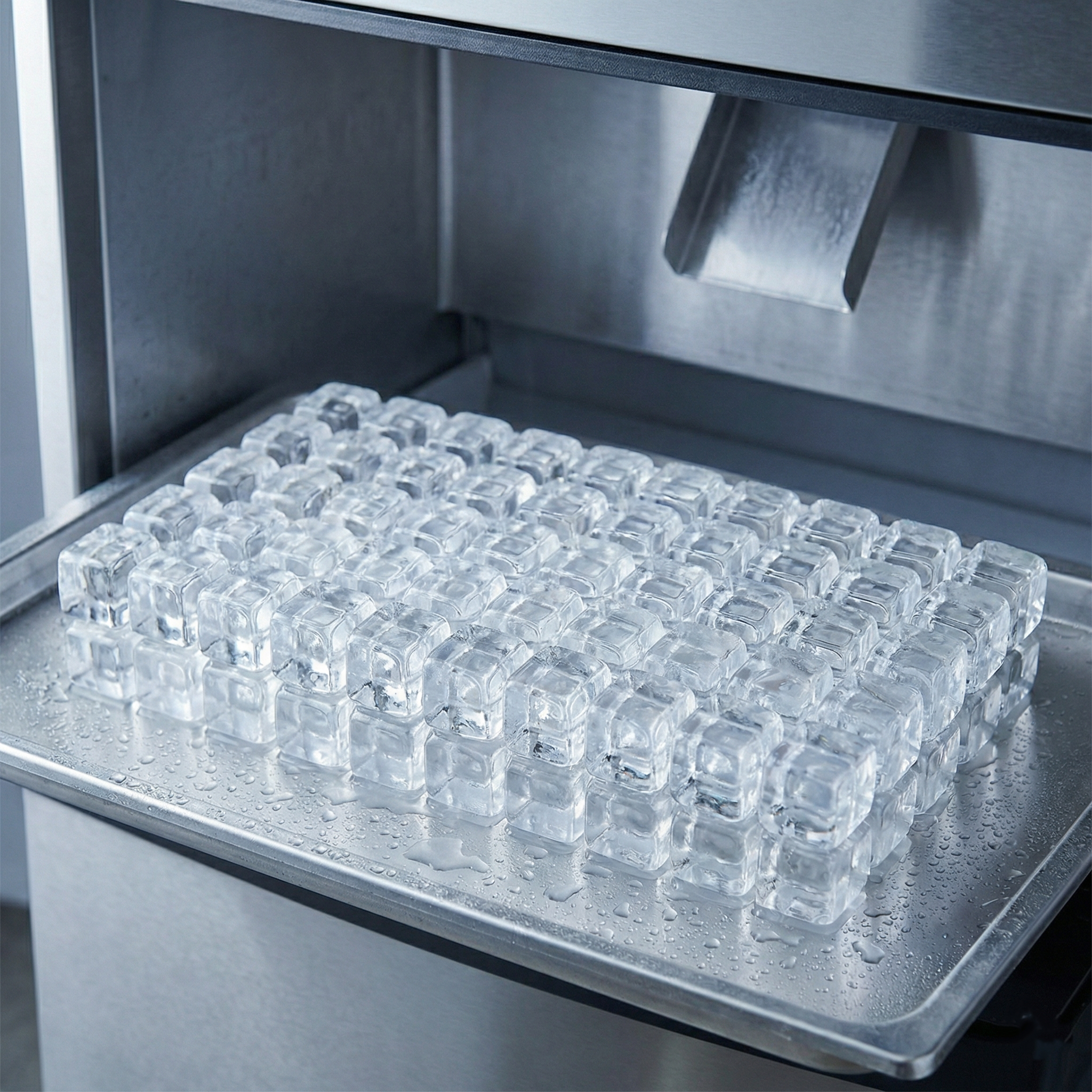
How Surface Area Changes the Way Ice Melts in a Drink
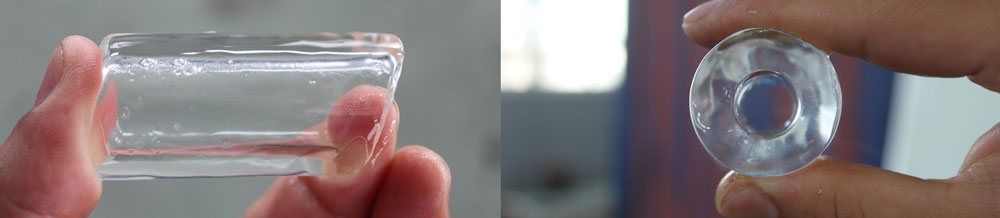
Melting is a phase change: ice takes in latent heat and turns into water. Heat reaches the ice through its surface, so the amount of exposed surface per gram matters. A compact square cube has a low surface-area-to-volume ratio. A 28×28×25 mm cube or a 23×23×23 mm cube presents a small outer face for its mass, while a half-cube keeps the blocky form. Nugget ice at 8×8×8 mm starts smaller, and its fragmented structure adds more edges and pores. Focusun’s Cube Ice Plant information lists those square cube sizes and the 8×8×8 mm nugget form, which gives a useful reference for comparing the shapes. The smaller, more broken form exposes more surface to the drink, so heat can move into the ice faster and meltwater appears sooner. The cube’s compact geometry slows that exchange because less of its mass touches the liquid at any moment. The result is a visible difference in how quickly the drink changes, though drink temperature, agitation, ice temperature, and room conditions also shift the pace, so shape sets the pattern rather than a fixed melt time. Latent heat explains why the first minute can feel different from the next ten: the ice must absorb a large amount of energy before it turns to water, and that energy comes from the drink and the surrounding air. Nugget ice draws heat from a wider contact area early on; cubes cool more gradually.
Why Nugget Ice Feels Soft and Chews Differently From a Cube
Mouthfeel is not only about size. It comes from density, structure, and how the ice breaks under the teeth. A square cube is a dense block. It resists a bite until the pressure builds enough to crack it, and that crack is part of the experience. Nugget ice is made of small, compacted fragments with air pockets. It gives way more easily, so the first bite feels softer and less glassy. The 8×8×8 mm size makes the pieces small enough to chew without the same hard snap, while the porous structure lets the piece crush rather than shatter into sharp shards.
1. Porous Nugget Ice Creates a Different Mouthfeel From Dense Cubes
Porous nugget ice carries air inside its structure, so it is less dense than a solid cube. That air changes both melt and chew. In the mouth, the piece collapses sooner, and the cold feel spreads across the tongue instead of sitting in one hard block. In the glass, the same porosity lets liquid move into the ice and lets meltwater move out. The effect is a softer, snowier chew that many drink-shop customers notice right away. A dense cube feels firmer and cleaner against the teeth, with a clear break when bitten. Neither texture is a defect; they are different eating experiences created by the same frozen water.
2. Cube Geometry Keeps a Clear Shape Longer During Service
A square cube holds its outline in the glass because its mass is concentrated in one block. The corners may round off as it melts, but the overall form stays readable for longer. That is useful when the look of the drink matters: a cube can stand above the liquid line, stack with another cube, or leave a clean edge against the glass. Half-cube forms keep the same blocky logic in a smaller package. Nugget ice, by contrast, settles into a mound and loses its individual shape quickly. The cube’s geometry gives bar staff a longer window in which the ice still looks like ice, not a shrinking chip.
What Beverage Presentation Reveals About Ice Choice and Dilution
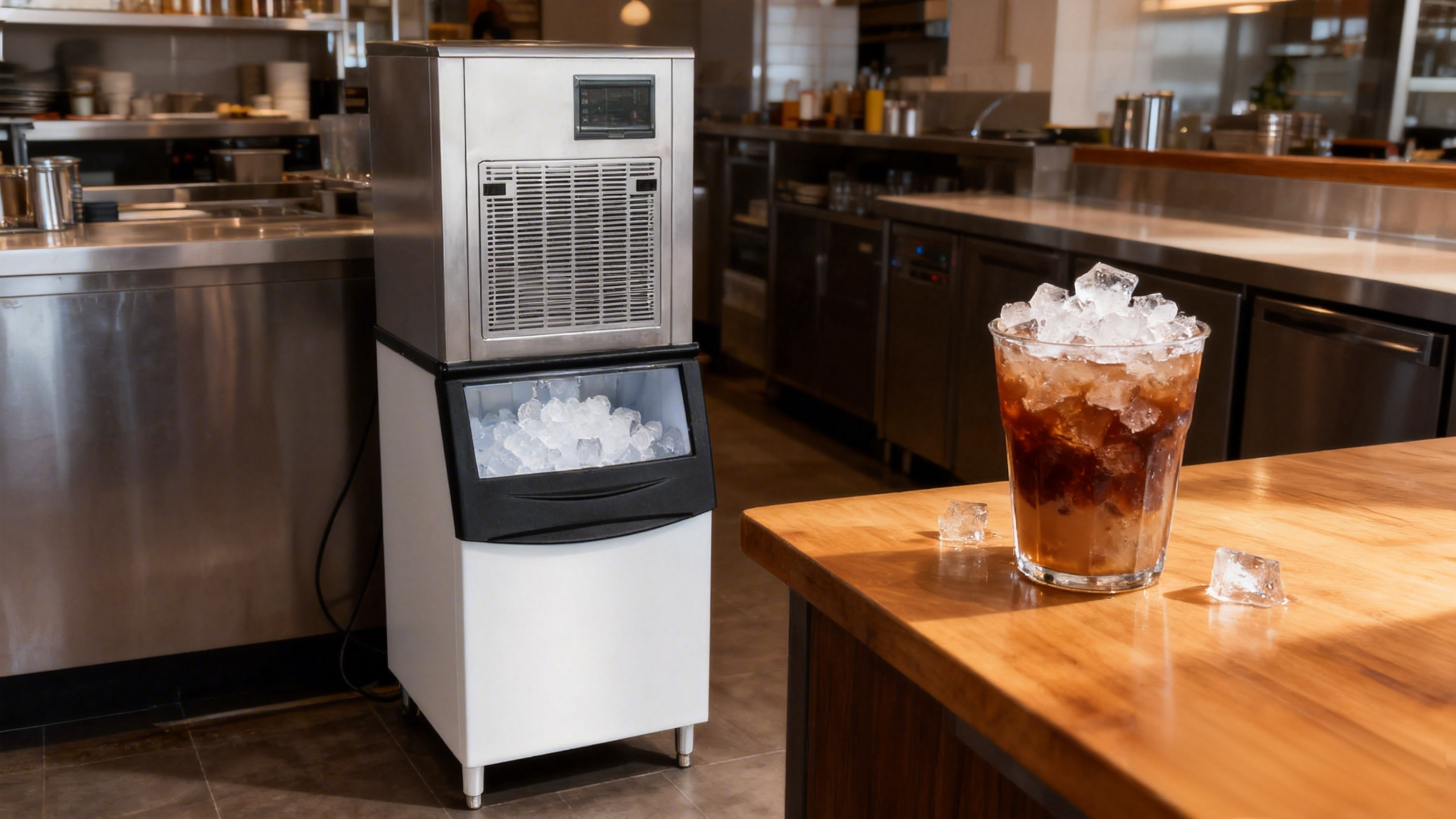
The glass tells a story before the first sip. Square cubes read as deliberate and structural. They sit high in the drink, catch light on flat faces, and change the silhouette of the glass. Nugget ice reads as soft and frosty. It fills gaps, piles above the rim, and gives a drink a textured, snow-capped look. Those visual cues affect how a drink is perceived: a cube suggests a slower, more structured serve, while nugget ice suggests a quick, cold, chewable drink. The visual effect comes from shape, surface, and how the pieces pack. Dilution follows the same pattern. Nugget ice has more surface and more gaps, so the drink contacts more ice area and moves through the glass differently. That can produce faster chilling and faster water release. A square cube gives up water more slowly because the drink reaches only its outer faces. Yet dilution is not controlled by shape alone. A warm drink, a vigorous shake, a room-temperature glass, or a long sit on the bar all change the result. Water chemistry can also affect how ice looks, since dissolved minerals can leave a hazy appearance, but that is a separate water-quality factor from the shape itself. For learners, the practical point is to read the glass as a set of clues: ice size, ice structure, fill level, and how quickly the surface changes. Those clues explain why two drinks with the same recipe can feel different when the ice shape changes. Product sheets from an ice cube machine supplier often list cube sizes such as 28×28×25 mm and 23×23×23 mm, while nugget ice is listed at 8×8×8 mm. Ice cube machine manufacturers describe the nugget form as small and fragmented, and a commercial ice machine supplier will usually show both shapes as separate options. Those numbers are a starting point for understanding the drink, while actual melt time follows the drink’s temperature and movement.
Conclusion
Square cube ice and nugget ice differ because geometry changes the contact area, the density, and the way the ice breaks down. Cubes are dense and blocky, so they hold their shape and release water more slowly. Nuggets are small and porous, so they chill fast, chew softly, and settle into a different visual pattern. Neither shape is the universal winner; the right choice depends on the drink, the service style, and the look the bar or shop wants to create. Readers who want to see the listed sizes can review Focusun’s Cube Ice Plant information as a reference point for square cube and nugget forms.
FAQ
Q: Why does nugget ice melt faster than square cube ice in a drink?
A: Nugget ice has a much higher surface-area-to-volume ratio and a porous structure, so the drink can reach more of the ice at once. A square cube is dense and compact, so heat enters through a smaller outer surface. That is why nugget ice usually releases meltwater sooner, although drink temperature, movement, and ice temperature still affect the pace.
Q: How does ice shape change the visual presentation of a beverage?
A: Square cubes create a structured look because they sit as distinct blocks and hold their outline longer. Nugget ice fills gaps and piles into a soft, frosty mound. The shape changes the silhouette, the way light moves through the glass, and how the drink reads before anyone takes a sip.
Q: Does smaller ice always mean faster dilution?
A: Smaller ice usually exposes more surface per gram, so it tends to chill and dilute faster, but it is not an automatic rule. A small dense chip can melt more slowly than a larger porous piece. Drink temperature, agitation, ice temperature, and room conditions all change the result, so size is one factor among several.
Sources / References
Latent Heat of Melting common Materials
Contaminants – Water Quality Association
Related Examples
Contacts & Support
Focusun Refrigeration CorporationRoom 603, Baohong Center
No. 7755 Zhongchun Rd
Shanghai CHINA
ZipCode: 201100
Tel: +86-21-5108 9946
Fax: +86-21-5227 2259
Email: enquiry@focusun.com
Sales: sales@focusun.com
Marketing: marketing@focusun.com
Press: press@focusun.com
Newsletter: newsletter@focusun.com
