




26
2026
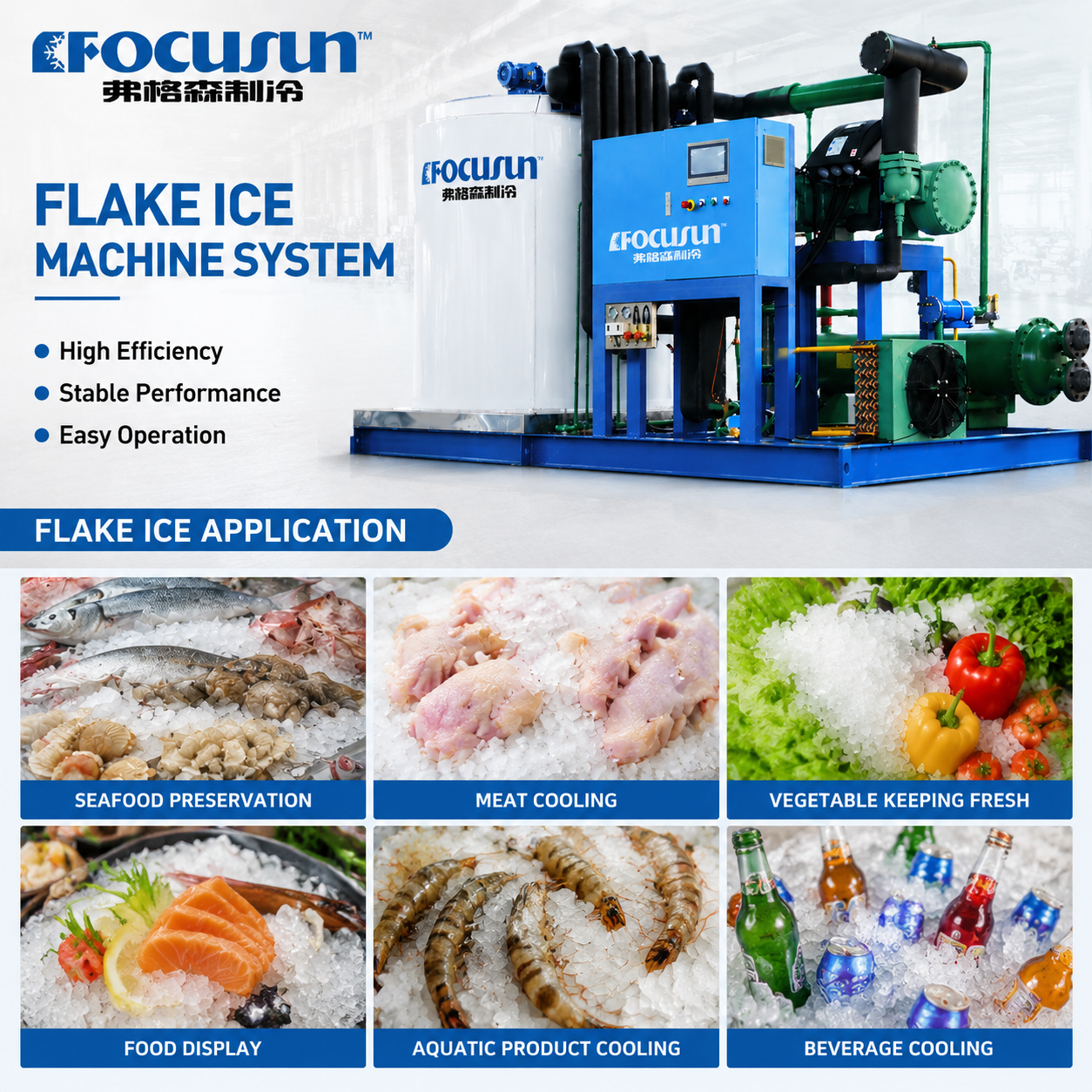
Flake Ice for First-Stage Seafood Preservation on Fishing Docks
Introduction: Flake ice is widely used on fishing docks because its thin, wet structure cools fish fast and keeps meltwater moving around the catch.
Anyone who has watched a fishing boat unload knows the clock starts ticking the moment the catch leaves the water. Warm fish lose quality quickly, and the first few hours on the dock often decide how the product looks, smells, and performs later in the cold chain. Flake ice is not the only cooling method, but its physical form makes it a natural fit for the messy, irregular, and fast-moving work of dockside handling. Understanding why it works comes down to three things: contact, meltwater flow, and the speed of temperature drop. For seafood cold-chain learners, that trio explains why flake ice remains a standard first-stage preservation tool.
Why Fish Quality Falls Quickly Without Immediate Cooling
Once a fish dies, its own enzymes begin breaking down tissue, and bacteria on the skin and gills start multiplying. Warm temperatures accelerate both processes. The result is softer flesh, faster spoilage, and a shorter window for sale or processing. On a busy dock, fish may sit in bins, totes, or holds while workers sort and pack the day’s catch. Even a short delay without cooling can push the internal temperature up and allow quality loss to begin. Dockside ice supply is therefore treated as a first-stage preservation step rather than an afterthought, because the earliest minutes after landing shape the rest of the cold chain. The goal of immediate cooling is not just to make fish cold. It is to slow the chemical and microbial changes that drive quality down. Fish that are cooled quickly hold their texture, color, and flavor better through transport and processing. The faster the internal temperature falls, the more time the catch has before spoilage becomes visible. Flake ice supports that goal because it can be packed around fish right away and does not require waiting for a block of ice to melt or a mechanical system to cycle. For flake ice machine manufacturers and any ice machine supplier, this first-stage use is one of the clearest examples of why ice form matters as much as ice volume.
How Flake Ice Cools Seafood Through Contact and Meltwater
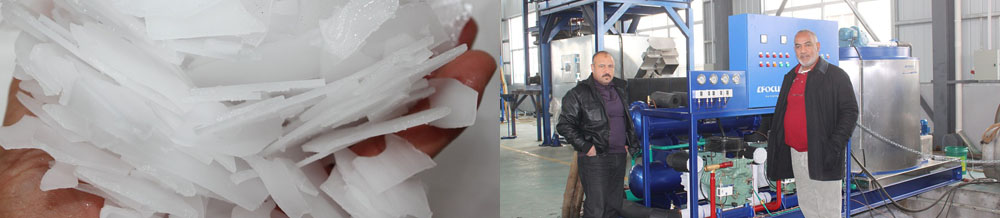
Flake ice cools seafood in two connected ways. First, the ice itself touches the fish and pulls heat directly from the surface. Second, as the ice melts, the meltwater flows over the catch and carries heat away. Both effects depend on the shape and texture of the ice. A block of ice has a small contact area and melts slowly. Flake ice is thin, soft, and wet, so it wraps around the catch and keeps cold water moving. That combination is why flake ice is often described as a contact cooling medium rather than just a cold object.
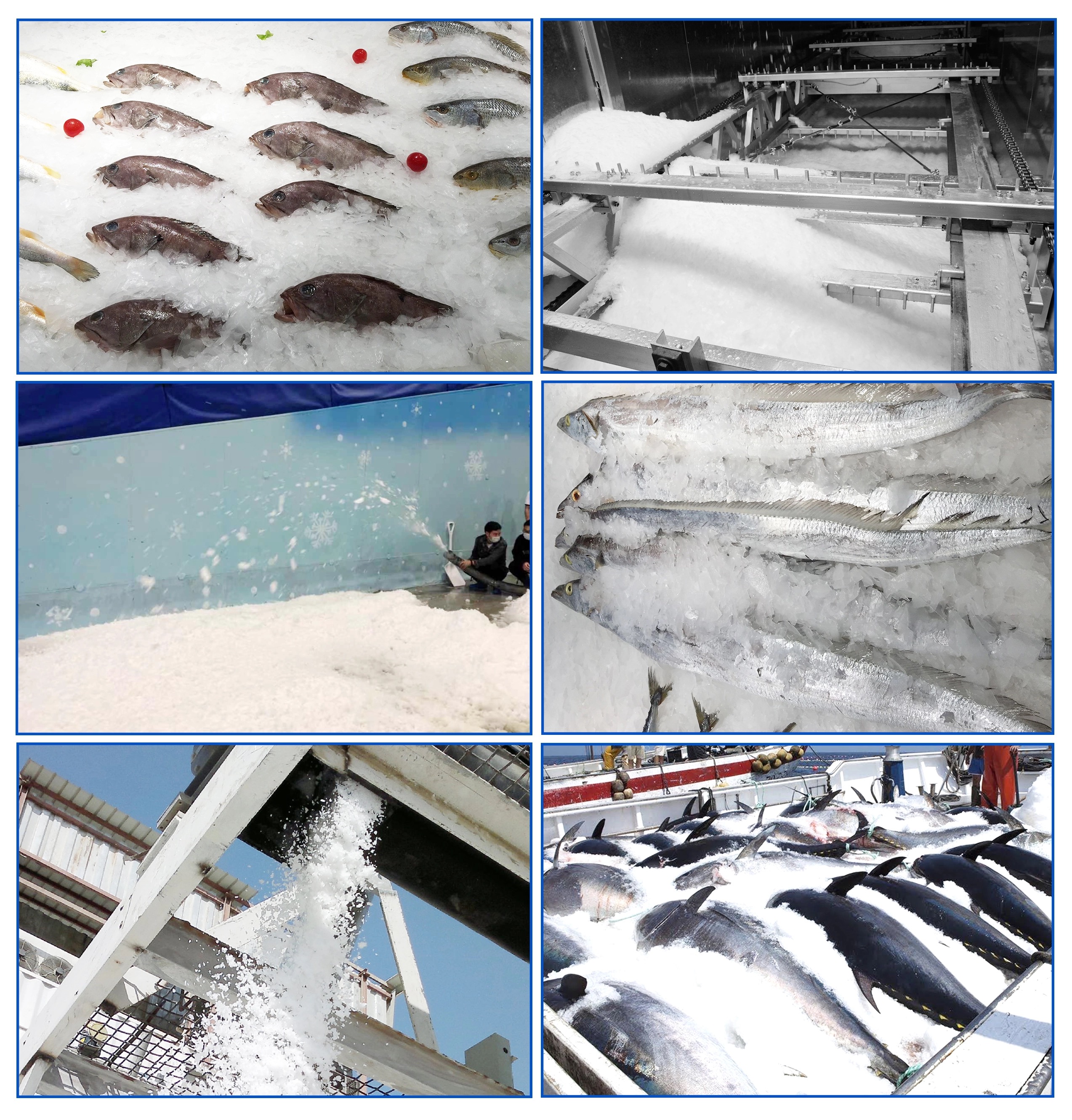
1. Thin Flake Ice Covers Irregular Fish Surfaces Evenly
Fish are not flat. They have curved bodies, fins, gills, and tails, and they are usually packed together in layers. Thin flake ice slips into the gaps between fish and presses against skin without bruising it. Because each flake is small and flexible, the ice forms a cold blanket that reaches more of the surface than block ice or larger ice shapes can. This even coverage matters because heat leaves the fish from the surface inward. The more contact points there are, the faster the surface cools and the sooner the core follows. On a dock, workers can shovel flake ice over a full tote or mix it into a holding bin, and the ice naturally settles into the spaces around the catch. That simple physical behavior is a major reason flake ice is favored for irregular, mixed-size landings.
2. Meltwater Helps Carry Heat Away From the Catch
Melting is not a side effect of flake ice; it is part of the cooling process. As flake ice absorbs heat, it turns into cold water. That water flows down through the fish, over the skin, and out through drainage holes or bin openings. In doing so, it carries heat away from the catch instead of letting heat build up in a closed layer. The flow also helps wash away some surface bacteria and debris. A dock that uses flake ice well pays attention to drainage, because meltwater needs somewhere to go. If water pools around the fish, the cooling benefit drops and the catch sits in warming liquid. When drainage is good, meltwater keeps the cold chain moving from the moment the ice is applied.
Why Freshwater Flake Ice Fits Dockside Food Handling
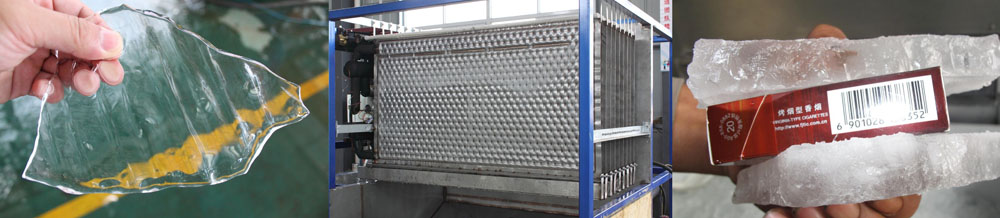
Freshwater flake ice is the confirmed form used in many dockside seafood handling settings. It is made without salt, so it melts into fresh water that can be drained or managed without adding salt to the catch or the work area. That simple fact matters on a dock where fish are sorted, weighed, boxed, and moved quickly. Freshwater flake ice also works with standard food-handling practices: clean ice, clean bins, and good drainage. Focusun lists freshwater flake ice makers and seafood-related flake ice applications within its industrial flake ice systems, which gives buyers a clear starting point when they compare flake ice machine suppliers. The exact capacity and configuration depend on the dock’s daily volume, available power, and drainage layout. One reason freshwater flake ice fits dockside work is that it can be produced on-site or nearby. A commercial ice machine or ice making machine that runs on freshwater gives the dock a steady supply instead of relying on trucked-in ice. That supply matters during peak season, when boats may arrive close together and the crew needs ice immediately. Freshwater flake ice also avoids the confusion that can come with different ice types. It is not a block, not a cube, and not a pellet. It is a thin, wet flake that is designed for fast contact cooling. For seafood cold-chain learners, the practical takeaway is simple: freshwater flake ice is a food-handling form, and its value on the dock comes from how quickly it can be applied and how well it drains.
Conclusion
First-stage cooling is the difference between seafood that holds quality and seafood that starts losing it before it leaves the dock. Flake ice works because its thin, wet form touches more of the fish, melts into moving cold water, and drops temperature quickly. Freshwater flake ice fits dockside food handling because it is clean, drainable, and compatible with the way catch is packed and moved. Buyers who compare flake ice machine manufacturers should look at how the ice will be used on the dock, not just the daily tonnage. A system that matches the catch volume, drainage, and power conditions will do more for seafood quality than a larger system that is awkward to use. Reviewing the related flake ice plant page can help clarify the available freshwater flake ice forms and configurations.
FAQ
Q:Why is flake ice often used for seafood preservation on fishing docks?
A:Flake ice is often used because it cools fish quickly and fits the way catch is handled on a dock. Its thin, wet flakes can be packed around irregular fish bodies, and the meltwater flows through the catch to carry heat away. That combination helps lower the internal temperature fast, which slows the quality loss that begins as soon as fish leave the water. It is also easy to shovel, spread, and top up as new catch arrives.
Q:How does meltwater from flake ice affect fish cooling?
A:Meltwater helps cooling by moving heat away from the fish. As flake ice absorbs heat, it melts into cold water that drains down through the catch. That flow carries heat out of the bin or tote instead of letting it stay around the fish. Good drainage is important, because pooled water can warm up and reduce the benefit. When meltwater moves freely, it supports faster and more even cooling across the whole load.
Q:What does freshwater flake ice mean for dockside seafood handling?
A:Freshwater flake ice means the ice is made from fresh water, so it melts into fresh water around the catch. That fits dockside food handling because it does not add salt to the fish, bins, or working area. It can be produced on-site with a freshwater flake ice machine or supplied from a nearby plant, giving the dock a steady first-stage cooling option. The right capacity and setup depend on daily catch volume, drainage, and available power.
Sources / References
The manufacture of ice
Quality and quality changes in fresh fish – Table of Contents
Related Examples
Contacts & Support
Focusun Refrigeration CorporationRoom 603, Baohong Center
No. 7755 Zhongchun Rd
Shanghai CHINA
ZipCode: 201100
Tel: +86-21-5108 9946
Fax: +86-21-5227 2259
Email: enquiry@focusun.com
Sales: sales@focusun.com
Marketing: marketing@focusun.com
Press: press@focusun.com
Newsletter: newsletter@focusun.com
