


7
2026
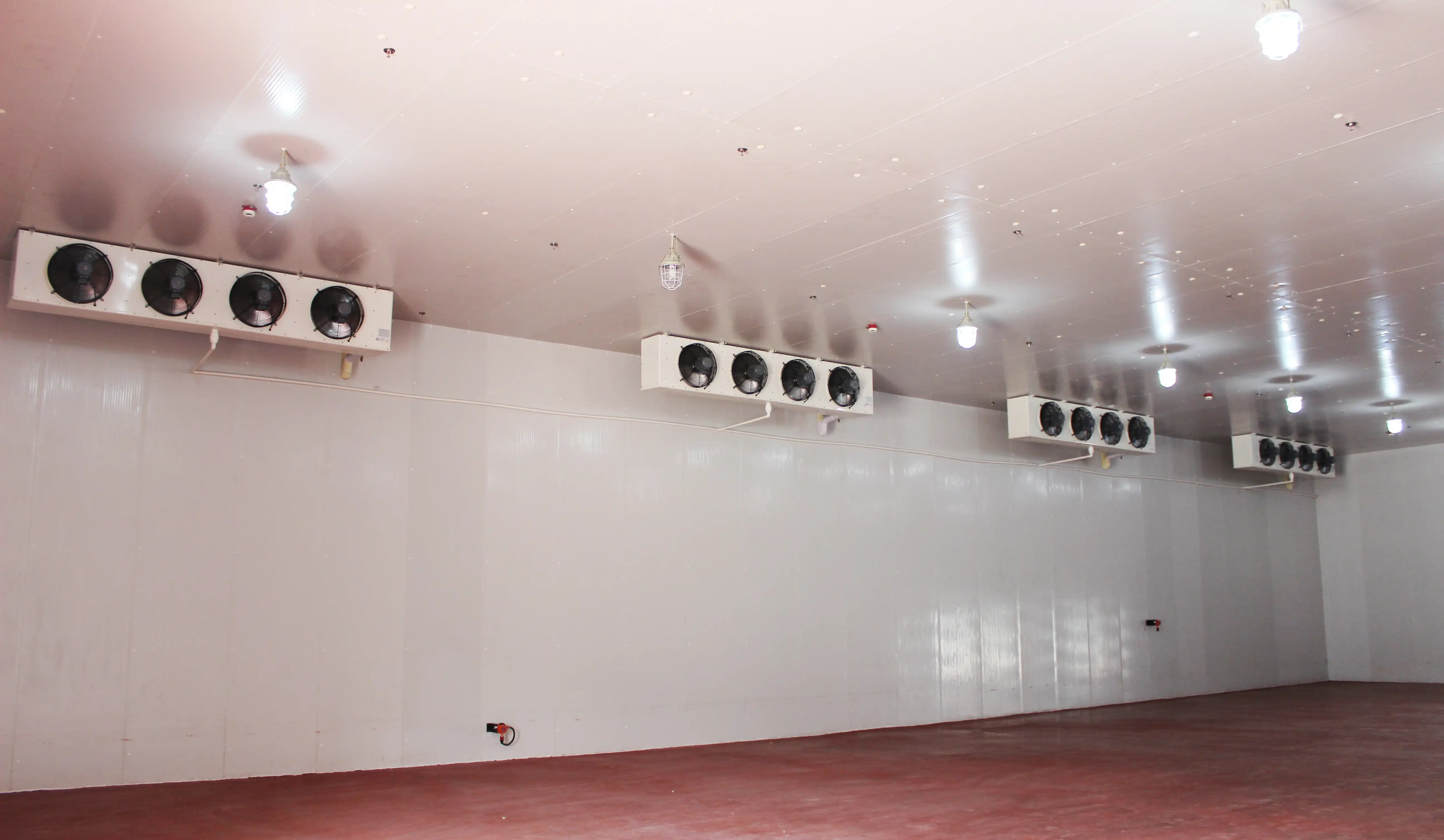
What Is A Containerized Cold Room For Industrial Freezing and Why It Improves Freezing Efficiency?
In industries such as food processing, biopharmaceuticals, modern agriculture, and deep-sea fishing, providing a flexible, efficient, and stable temperature-controlled storage environment for perishable goods has always been a core challenge in supply chain management. Traditional fixed cold room facilities have long construction cycles and fixed locations, while simple refrigeration solutions struggle to meet industrial-grade temperature accuracy and reliability requirements. This contradiction is particularly pronounced when facing seasonal warehousing needs, temporary projects, or operations in remote areas. Against this backdrop, containerized cold room has emerged, redefining the efficiency standards of industrial refrigeration with its unique portability and high performance.
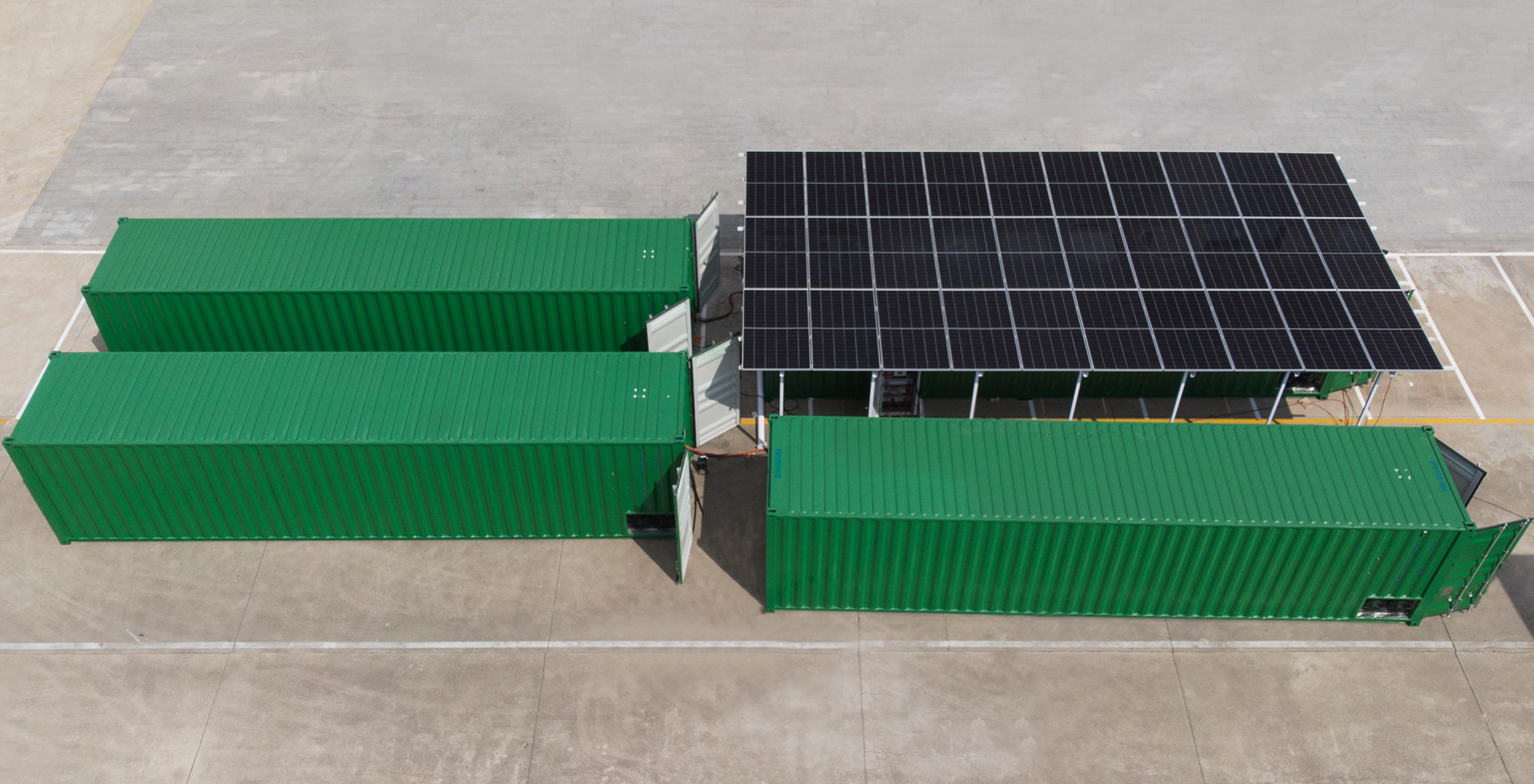
What Exactly Is A Containerized Cold Room?
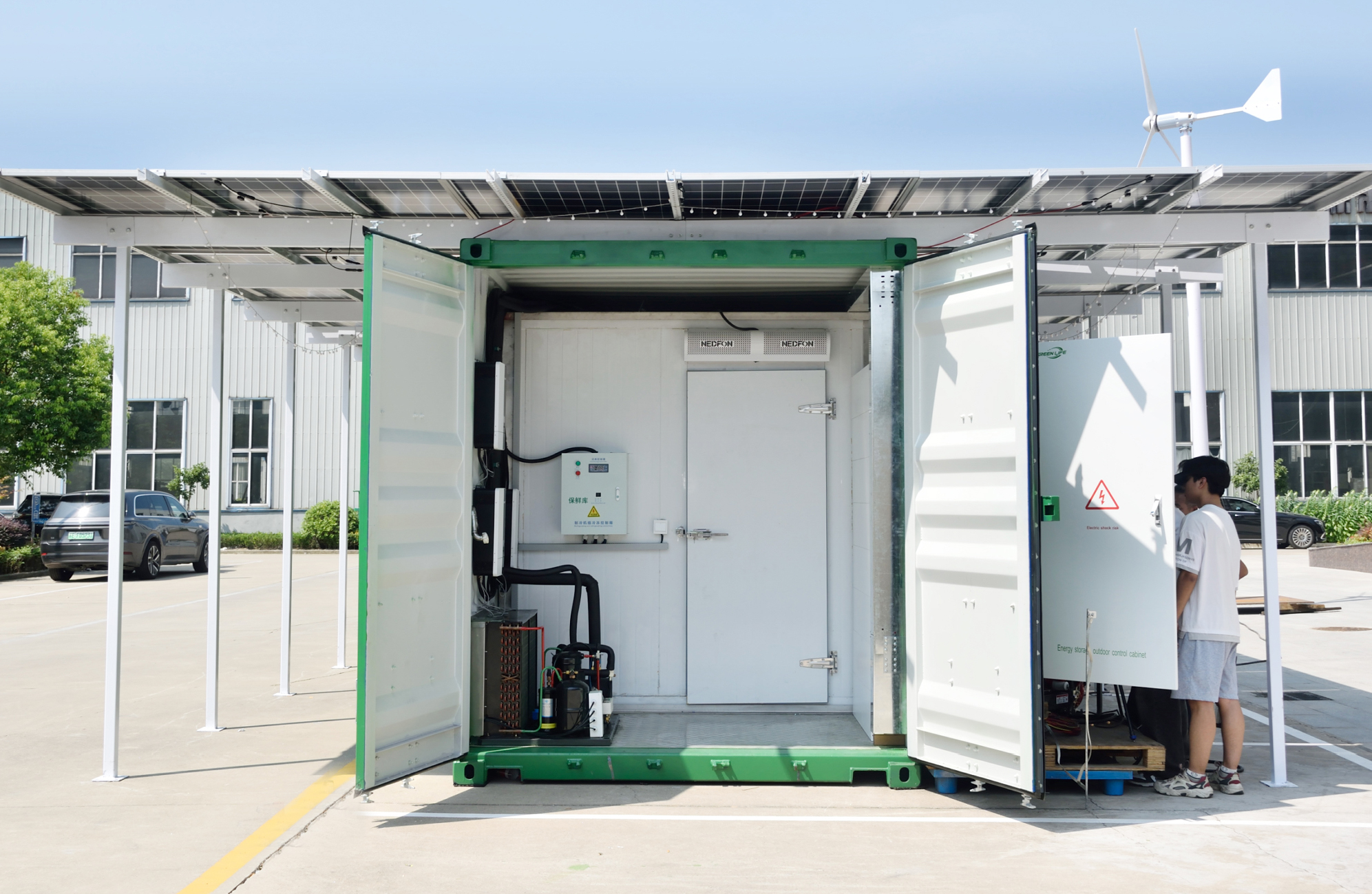
A containerized cold room is a complete industrial-grade refrigeration system built inside a standard shipping container. Think of it as a high-performance freezer that happens to be portable. Uses a 20-foot or 40-foot ISO standard container as the shell. Inside you’ve got a fully functional cold room with high-efficiency insulation, precision refrigeration unit, air circulation system, intelligent controls – everything integrated and tested before it ships. The key difference from traditional cold rooms is you’re not doing complex construction and on-site installation. It’s a standardized industrial product that’s plug-and-play. Temperature range adjusts from +5°C to -40°C depending on what you’re storing.
How Containerized Cold Room Works?
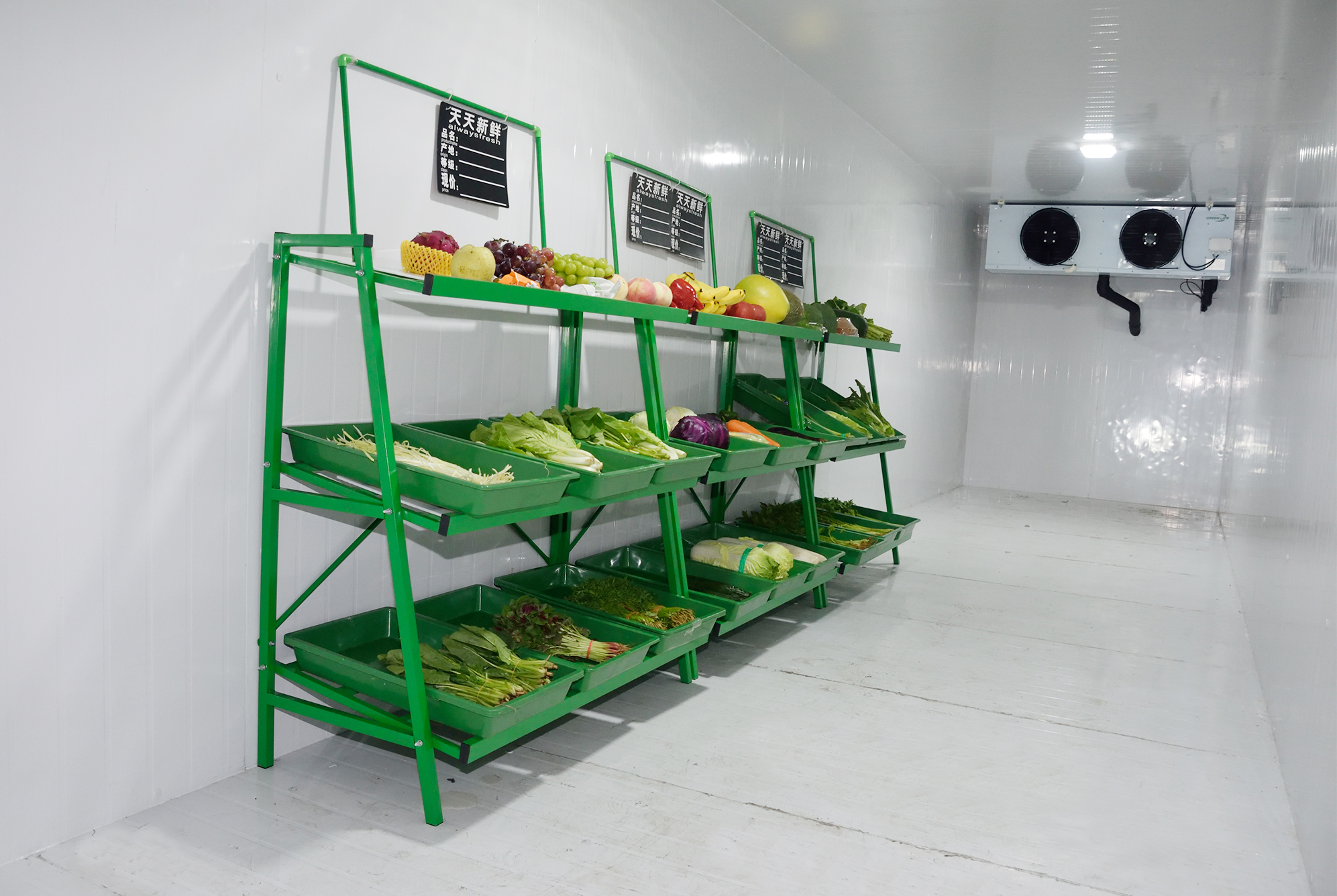
The refrigeration unit delivers cold air through the floor – there are grooves in the container floor (T-shaped panels) that circulate cold air around the cargo continuously. Generator set powers the refrigeration unit. There’s a drainage system built in for handling any water accumulation – drain pipes inside remove wastewater when needed. Pretty straightforward system, but the integration is what makes it work reliably.
How Does It Systematically Improve Freezing Efficiency?
The efficiency improvement isn’t just one thing – it’s across the entire process from deployment through daily operation.
1.Speed of deployment
Traditional fixed cold rooms go from planning through civil engineering, equipment installation, commissioning – you’re looking at months. Containerized cold rooms arrive completely pre-assembled and tested. Connect external power (sometimes water), and you’re operational within days typically.
That construction timeline going from months to days matters a lot when you’re trying to respond to sudden warehousing needs or get a project commissioned quickly. The business advantage is pretty direct.
2.Thermal performance and energy efficiency
Using new ISO-grade containers as the outer shell provides solid protection for the insulation and refrigeration equipment. High-density polyurethane foam insulation keeps thermal conductivity extremely low – blocks external heat effectively.
Integrated high-efficiency refrigeration units (efficient compressors, electronic expansion valves) combined with optimized air duct design maintain uniform, stable internal temperature. Prevents those localized temperature fluctuations that cause product deterioration.
The plug-and-play design minimizes issues like cold bridging or poor sealing that happen with on-site installation. You get the designed thermal efficiency from the start, which translates to better long-term energy performance.
3.Mobility and flexibility
This is probably the biggest advantage. Because focusun commercial cold room uses standardized container dimensions, you can transport it via truck, ship, train – integrates seamlessly into global logistics systems just like regular containers.
What Scenarios Are Containerized Cold Rooms Suitable For?
1.Addressing Mobility Needs: Suitable for mobile refrigeration alongside ocean-going fishing fleets, large-scale engineering construction projects, or film and television production crews.
2.Meeting Seasonal Needs: During peak fruit and vegetable harvest seasons, containerized cold room can be quickly deployed at production sites as temporary pre-cooling or room warehouses. After the season, it can be moved elsewhere or stored idle, greatly improving asset utilization.
- Achieving Flexible Scaling: As a business grows, room capacity can be linearly expanded simply by increasing the number of containerized cold room units, without the need for complex civil engineering expansion. Investment is more flexible and riskier.
Common Questions About Containerized Cold Room
Does the safety level of the cold room meet international standards?
Focusun cold rooms comply with HACCP standards and are suitable for food-grade applications.Q2.What is the temperature control range of the containerized cold room?
From +5 to -40 degrees Celsius. Fresh storage: +3~+5°C, for preserving vegetables and fruits. Refrigerated storage: -20~-18°C, for refrigerating meat and seafood. Quick-freezing storage: -40~-33°C, for quick-freezing meat and seafood.Q3.What sizes of cold room are available?
Common containerized cold room sizes are 20 inches and 40 inches. We can also customize the size of the cold room according to the customer’s needs.
Conclusion: Focusun Containerized Cold Room – From Fixed Infrastructure to Strategic Liquid Assets
Containerized cold room is far more than just a “cold room unit in a box.” It represents a profound shift in the industrial refrigeration and freezing sector, moving from a fixed, asset-heavy civil engineering model to a modular, rapidly deployable equipment model. Through standardized, integrated, and portable design, it systematically addresses the pain points of traditional solutions in terms of deployment speed, energy utilization, operational flexibility, and asset liquidity. It provides enterprises with a highly efficient solution that meets the stringent requirements of industrial-grade room while adapting to the rapid changes in modern supply chains. Choosing commercial containerized cold room means that enterprises gain not only room space, but also a strategic cold room asset that can be flexibly deployed according to business needs, thereby building an agile, reliable, and efficient cold chain guarantee capability in a fiercely competitive market.
Contact Focusun to discuss quick freezing solutions tailored to your production volume and operational requirements.
Contacts & Support
Focusun Refrigeration CorporationRoom 603, Baohong Center
No. 7755 Zhongchun Rd
Shanghai CHINA
ZipCode: 201100
Tel: +86-21-5108 9946
Fax: +86-21-5227 2259
Email: enquiry@focusun.com
Sales: sales@focusun.com
Marketing: marketing@focusun.com
Press: press@focusun.com
Newsletter: newsletter@focusun.com
