


25
2025
One Excellent Sustainable Cold Chain Solution: Brine System Block Ice Machine
Brine systems might sound old-school to some people. But here’s the thing – when you’re running a major fishing port, a big food processing center, or managing serious cold chain warehousing, sometimes the proven technology is proven for a reason.
The cold chain industry’s gotten way more demanding over the past decade. Global logistics are expanding fast, fisheries are scaling up, and honestly? A lot of the simpler ice-making setups just can’t keep up anymore. They’re either not reliable enough when you need consistent high output, or the energy costs eat you alive over time.
That’s where modern brine system block ice machine come back into the picture – and I say “modern” because they’ve evolved quite a bit from what they used to be.
Features of Brine-Cooled Block Ice Machines
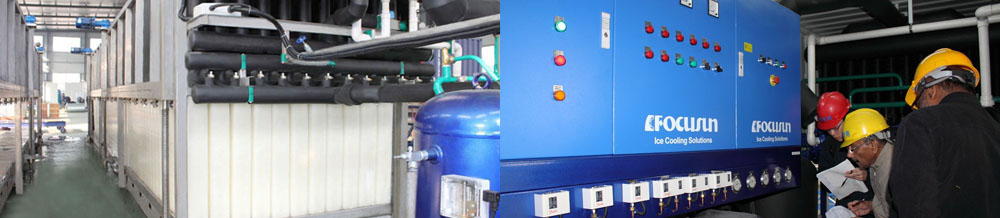
The biggest shift I’ve seen is in how these systems are designed now. Focusun’s approach with the modular setup is actually pretty smart – you can ship the components, install on-site relatively quickly, and you’re not locked into some massive construction project before you can start making ice. Cuts down infrastructure time significantly, which matters when you’re trying to get operational fast.
But the real improvements of brine block ice machine are in two areas: energy efficiency and durability. Which, let’s be real, are the two things that make or break your operating costs long-term.
1.Energy Efficiency Upgrades
The UNI-EVAP evaporator technology (you can get it in flooded or dry configurations) is where a lot of the energy gains come from. Basically, they’ve increased the evaporation area, which improves heat exchange efficiency pretty dramatically. What that means in practice is the refrigeration system doesn’t have to work as hard, even when you’re running at high capacity.
There’s also this waste heat recovery thing that’s actually clever – brine block ice machine are using the heat from the compressor exhaust to warm up the ice melting tank. Might not sound like much, but especially in colder climates where the water temperature is already low, you’re saving a ton of energy compared to using electric or steam heating. It’s one of those circular economy concepts that actually makes financial sense.
2.Built to Last (Because Corrosion is Real)
Anyone who’s worked with brine systems knows – corrosion’s always been the pain point. Salt water + metal = problems over time.
The newer brine system block cold machines address this head-on. They’re using stainless steel for the brine tank liner and ice buckets (you can spec this out based on your needs), plus white copper tube evaporators. It’s not cheap upfront, but when you factor in how long these components last in that harsh environment – low temps, high salt – the math works out.
Why Block Ice Still Makes Sense?
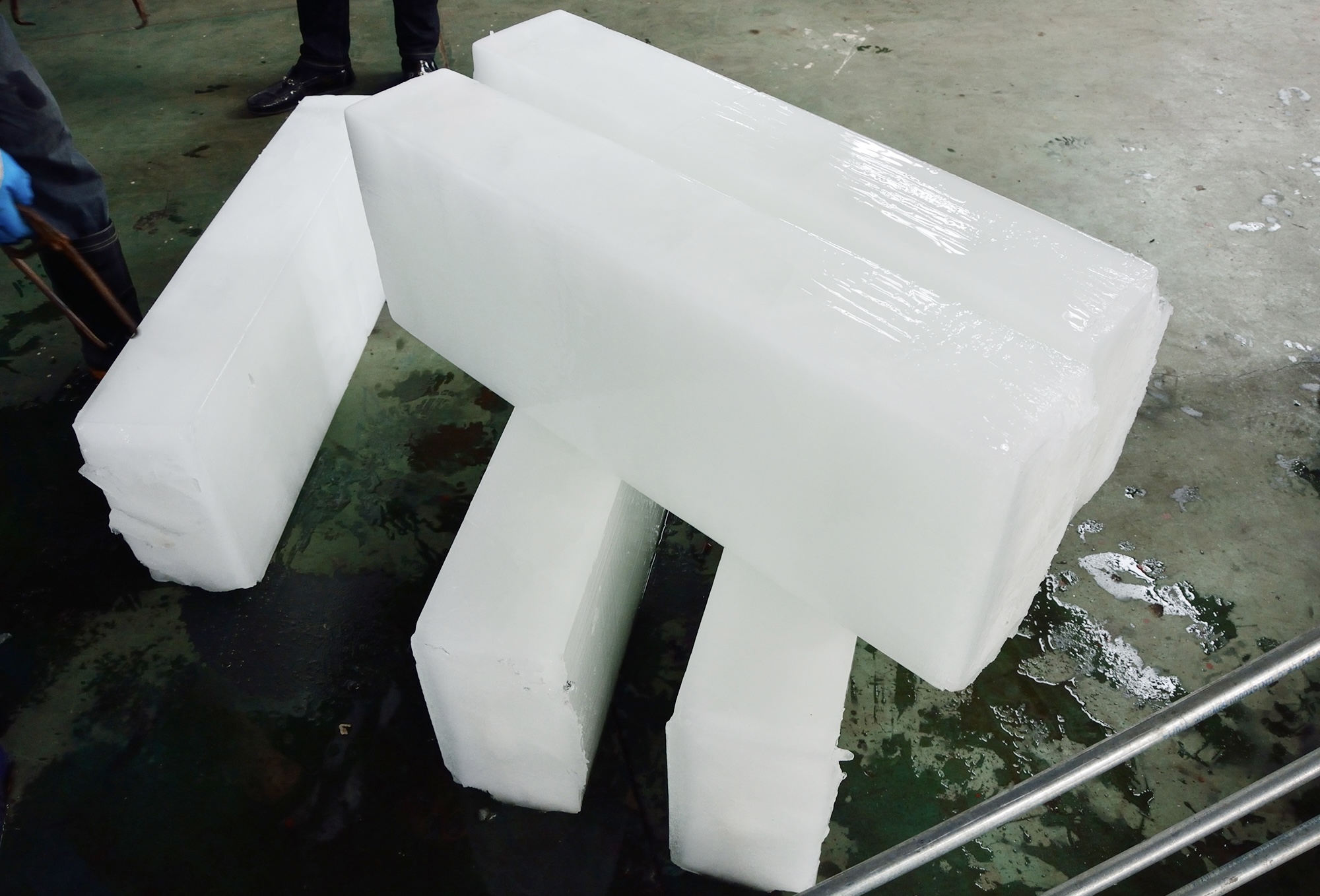
It’s easier to store and move around – you can stack it, transport it without much fuss. The blocks hold their temperature way longer too. We’re talking 24-48 hours versus maybe 4-8 hours for flake ice. That longevity matters, especially for long-haul cold chain applications.
How the Process Of Ice-making Actually Works?
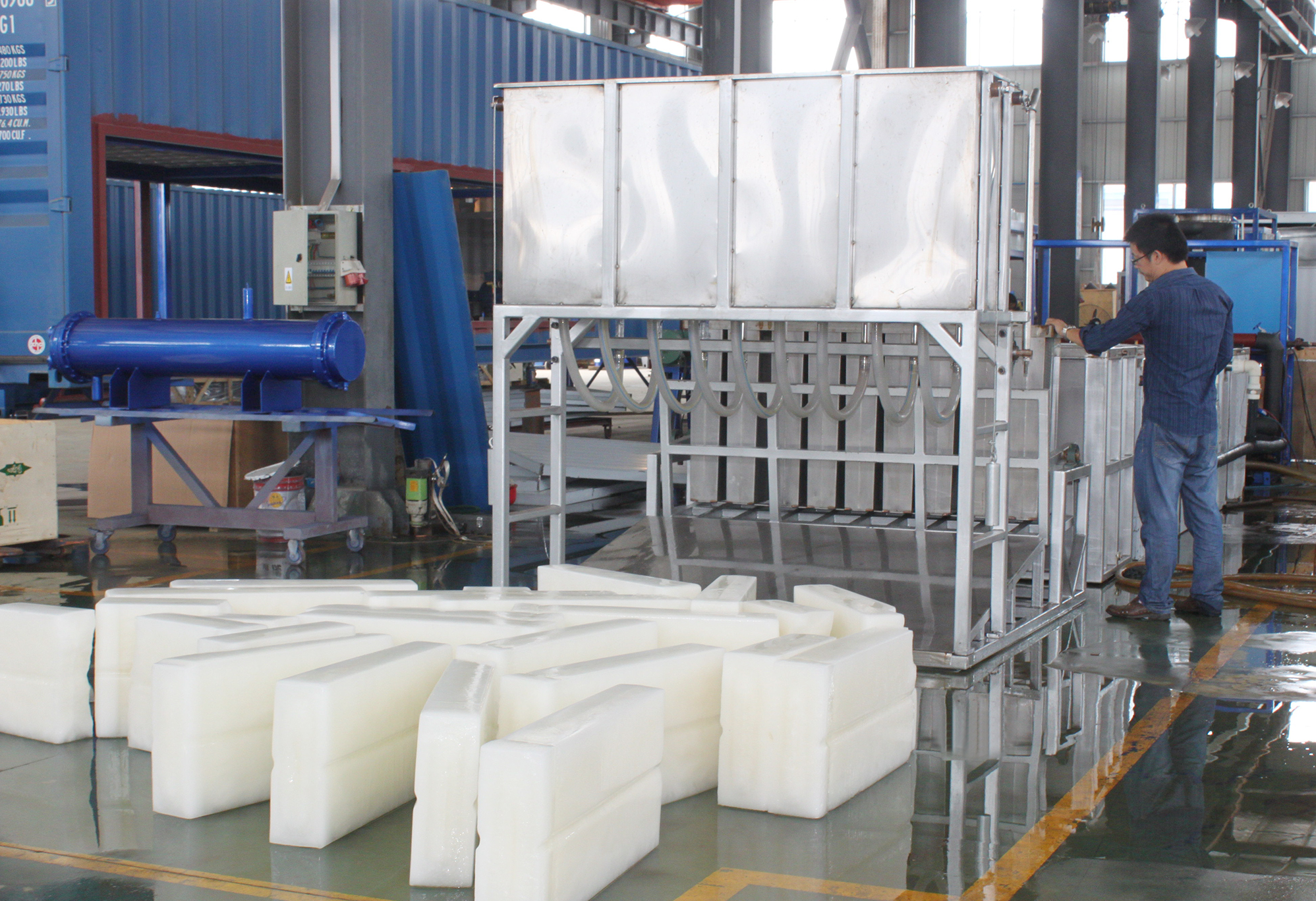
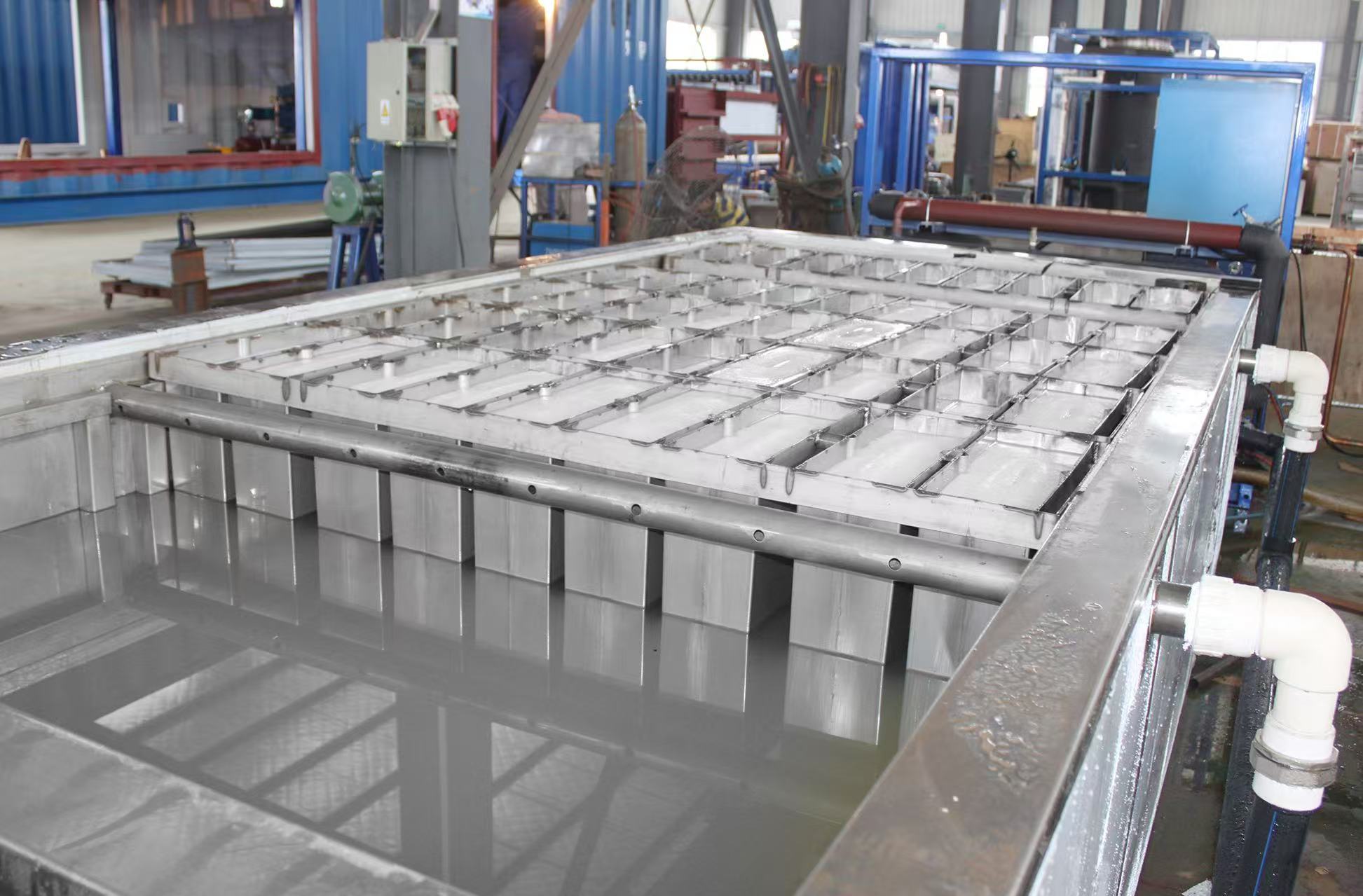
The process itself is pretty straightforward. You’ve got these ice-making buckets filled with water, they go into the brine tank, and through heat exchange the water freezes. Once frozen, a crane lifts the buckets out, drops them into a melting tank where just the surface gets heated enough to release the ice from the container. Then you’ve got your blocks ready to go.
Focusun‘s been refining this process – making it more efficient, faster cycle times, that sort of thing.
Some Common Questions
Q1:Is the ice safe for food applications?
Yeah, the aluminum ice molds they use conduct heat really well, so you get faster, more uniform freezing. The ice quality is solid for food-grade applications.
Q2:What about maintenance?
It’s manageable. Stainless steel surfaces are smooth, there’s CIP (clean-in-place) capability built in, and most parts are accessible. Not saying maintenance is zero, but it’s not a nightmare either.
Q3:How’s it compare to flake ice machines on energy?
For equivalent daily output, block ice machine generally pull less power. And like I mentioned earlier, the ice lasts way longer – big difference when you factor in the whole cold chain.
Q4:Does it actually pay back?
The UNI-EVAP technology improvement on heat exchange helps. Plus the upgraded materials (stainless steel, galvanized components) mean lower operating costs over the life of the brine cooled block ice machine. Most operations I’ve seen data on hit payback somewhere in the 18-30 month range, depending on their energy costs and utilization rates.
Conclusion-Choose a durable and energy-efficient sustainable cold chain solution-brine block ice machine
If you’re running large-scale operations where reliability matters – like really matters – and you need consistent ice production day in, day out, brine system block ice machine is worth looking at. The technology’s matured, the energy efficiency improvements are real, and the durability upgrades address the old pain points.
Focusun has been in the industrial refrigeration space for a while. We’ve got the experience with cold chain solutions for seafood, meat processing, all that. If you’re evaluating options, worth talking to us about what would work for your specific capacity needs and site set up.
The “sustainable cold chain solution” part isn’t just marketing – when equipment lasts longer, uses less energy, and can recover waste heat, that actually is more sustainable. It’s just also happens to be better business.
Contact us to discuss tailored solutions based on your capacity requirements and site conditions.
Contacts & Support
Focusun Refrigeration CorporationRoom 603, Baohong Center
No. 7755 Zhongchun Rd
Shanghai CHINA
ZipCode: 201100
Tel: +86-21-5108 9946
Fax: +86-21-5227 2259
Email: enquiry@focusun.com
Sales: sales@focusun.com
Marketing: marketing@focusun.com
Press: press@focusun.com
Newsletter: newsletter@focusun.com
