


24
2026
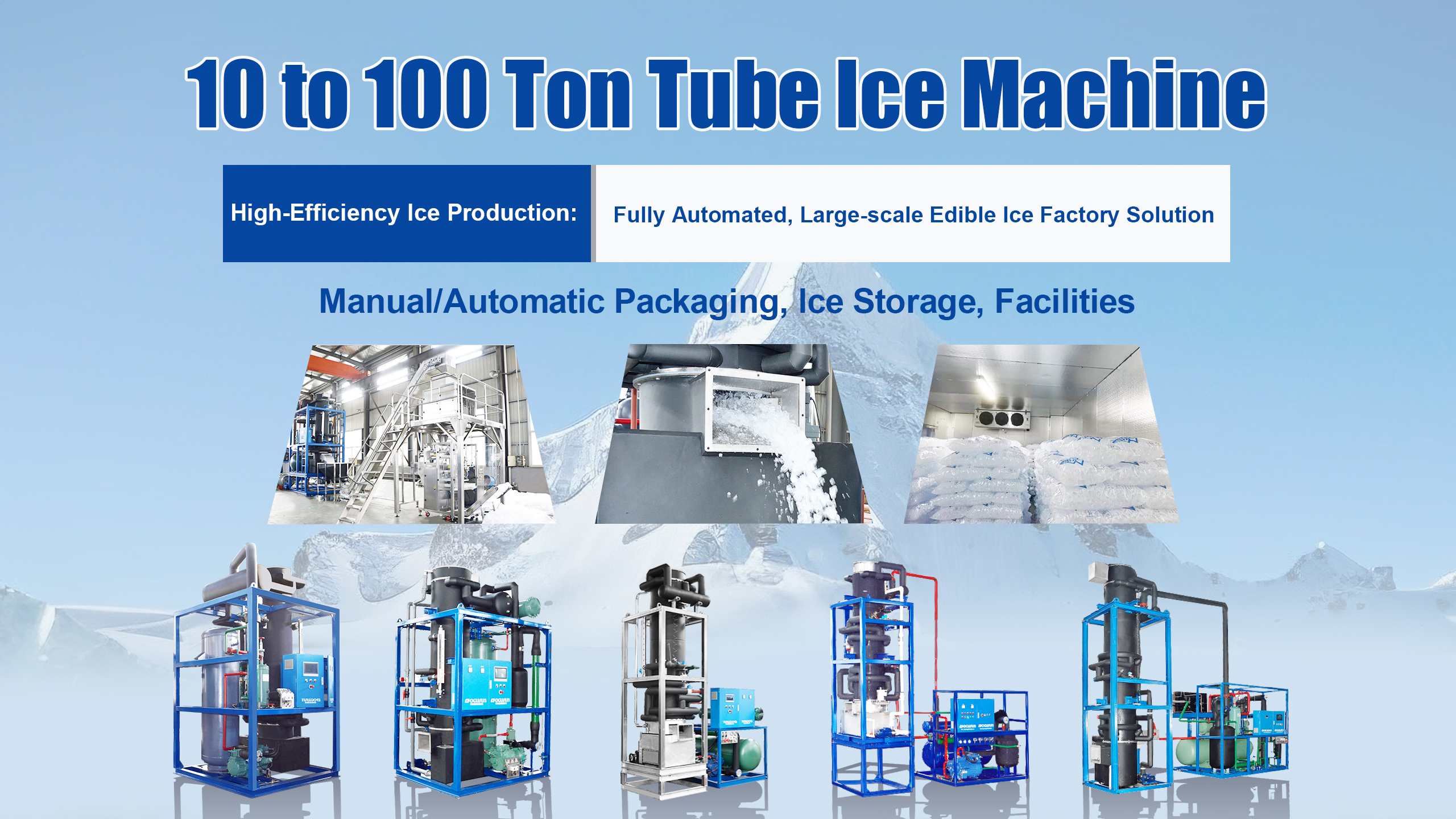
High-Output Best Ice Maker Machines for Large Ice Plant Production
Large ice plants play an important role in many industries. Seafood factories, fishing ports, food processing plants, logistics centers, and cold storage facilities all need stable ice production. When the ice supply becomes unstable, product quality drops quickly. Transportation losses increase. Operating costs also rise.
Many companies therefore invest in high-output industrial ice maker machines. A good machine improves cooling efficiency and reduces long-term operating costs. A reliable system also supports continuous 24-hour production.
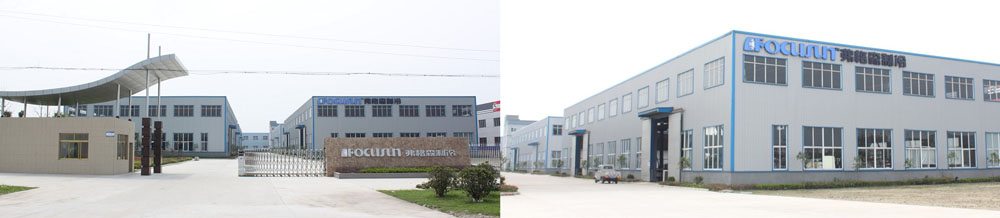
Focusun has more than 20 years of experience in industrial refrigeration manufacturing. The company has supplied refrigeration systems to customers in more than 56 countries. Focusun has also served over 11,000 customers worldwide. The company holds HACCP, FDA, and CE certifications. Many seafood factories, cold-chain companies, and industrial cooling projects use Focusun systems today.
This guide explains how to choose the best high-output ice maker machines for large ice plant production. The article also explains refrigeration principles, project experience, maintenance methods, ROI analysis, and energy-saving technologies.
What Is a High-Output Industrial Ice Maker Machine?
A high-output industrial ice maker machine is a refrigeration system designed for large-scale ice production. These machines can produce several tons or even hundreds of tons of ice every day.
Industrial ice plants usually run continuously. The systems therefore require stable compressors, strong condensers, and intelligent control systems.
Large industrial machines can produce several ice types:
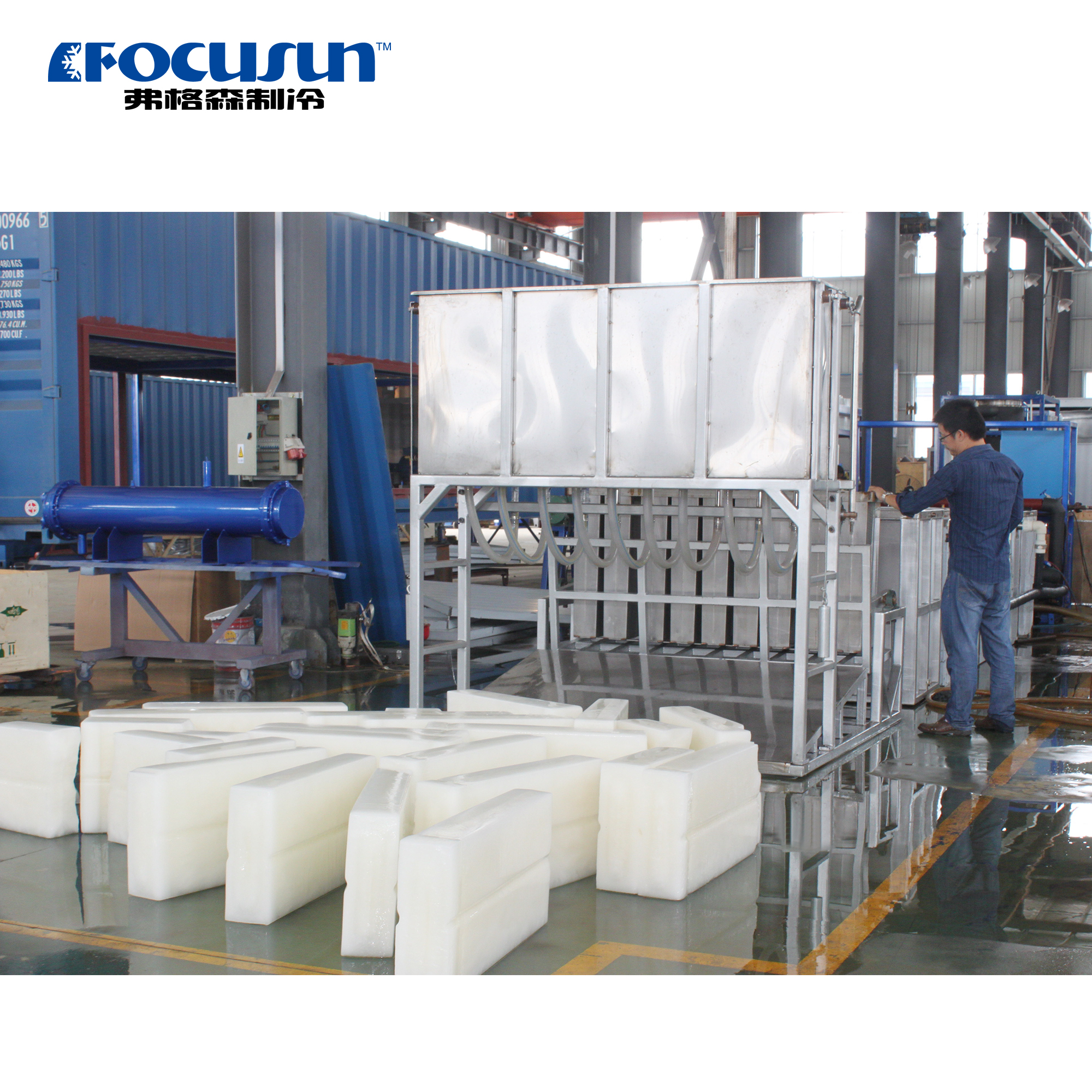
- Block ice
- Tube ice
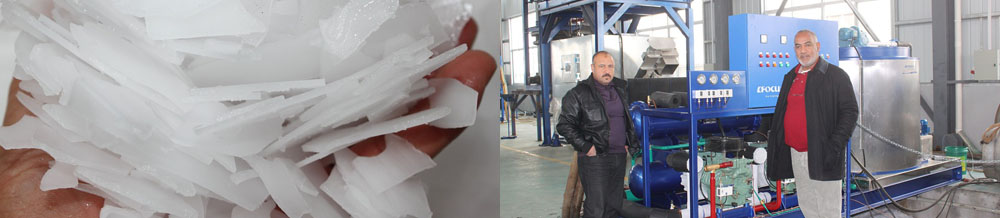
- Flake ice
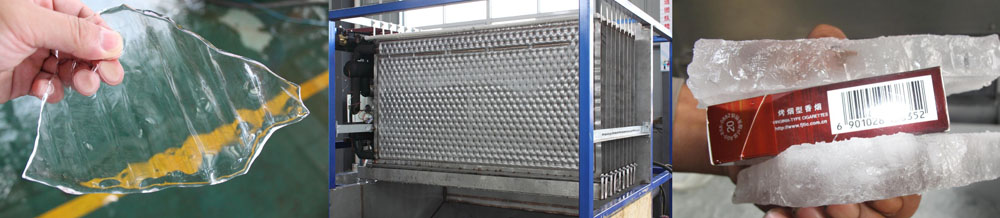
- Plate ice
- Slurry ice
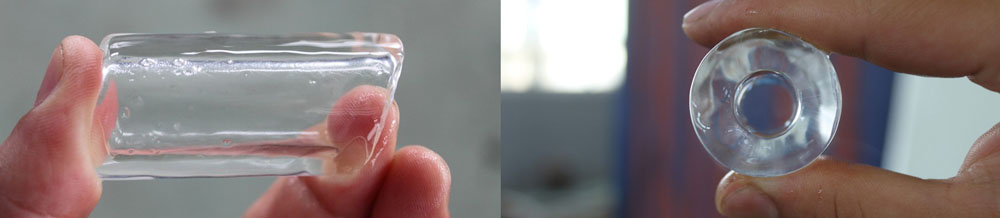
- Cube ice
Different industries use different ice forms depending on cooling requirements.
Main Components of Industrial Ice Plants
Industrial ice maker machines contain several important components.
1.Compressor
The compressor is the heart of the refrigeration system. The compressor compresses refrigerant gas and creates cooling power.
High-quality compressors improve efficiency and reduce electricity consumption.
2.Condenser
The condenser removes heat from the refrigerant. Industrial systems usually use air cooling, water cooling, or evaporative cooling methods.
3.Evaporator
The evaporator absorbs heat and creates low temperatures for ice production.
4.Electrical Control System
Modern PLC systems automate operation. These systems improve safety and reduce labor costs.
5.Ice Storage System
Large ice plants often include automatic ice storage and transportation systems.
6.Water Treatment System
Clean water improves ice quality and protects the refrigeration system from scale buildup.
How Industrial Ice Machines Work
Industrial refrigeration systems use heat exchange technology to freeze water into ice.
Step 1: Refrigerant Compression
The compressor compresses refrigerant gas into a high-pressure state. The refrigerant temperature rises during compression.
Step 2: Heat Removal
The hot refrigerant enters the condenser. The condenser removes heat and changes the refrigerant into liquid form.
Step 3: Expansion Cooling
The refrigerant passes through the expansion valve. The pressure drops quickly. The refrigerant temperature also decreases rapidly.
Step 4: Heat Absorption
The cold refrigerant enters the evaporator. The evaporator absorbs heat from water or brine solution.
Step 5: Ice Formation
The evaporator freezes water into ice.
Different systems use different freezing methods. Tube ice machines freeze water inside stainless steel tubes. Block ice systems freeze water inside ice cans or aluminum evaporator plates.
Understanding Brine Refrigeration Technology
Many traditional block ice systems use brine refrigeration technology.
The system first cools the salt water solution. The cold brine then freezes the fresh water inside the ice molds.
This technology offers stable cooling performance for large-capacity ice production.
Many industries still prefer brine systems because the systems are reliable and durable.
Brine systems are common in:
- Fishing ports
- Industrial ice factories
- Seafood processing plants
- Remote tropical areas
Understanding Hot Gas Defrost Technology
Modern industrial ice systems often use hot gas defrost technology.
The system sends hot refrigerant gas into the evaporator during ice harvesting. The heat separates the ice from the evaporator surface.
This technology provides several advantages:
- Faster ice release
- Lower labor cost
- Better production efficiency
- Less mechanical damage
Focusun widely uses this technology in large industrial ice plants.
Real Project Experience in Tropical Environments
Focusun engineers once installed a large flake ice system near a tropical fishing port in Southeast Asia. The area experienced temperatures above 35°C. The environment also had strong humidity and serious salt corrosion.
The customer originally faced many problems:
- High electricity bills
- Frequent equipment failure
- Ice melting during transportation
- Corrosion damage
The engineering team designed several customized solutions.
The team installed marine-grade anti-corrosion coatings. The engineers also selected high-efficiency Bitzer compressors. They optimized condenser airflow and improved electrical protection systems.
After installation, the customer reduced energy consumption by nearly 25%. The customer also improved seafood preservation quality significantly.
This project showed the importance of real engineering experience and proper system design.
Important Technical Specifications
Customers should carefully study technical specifications before purchasing an industrial ice machine.
| Technical Item | Recommended Range |
| Daily Ice Capacity | 5T – 300T |
| Ice Temperature | -5°C to -15°C |
| Material | SUS304 Stainless Steel |
| Refrigerant | R404A / R507A |
| Compressor Brand | Bitzer / Hanbell / Refcomp |
| Cooling Method | Air / Water / Evaporative |
| Automation | PLC Intelligent Control |
SUS304 stainless steel is very important for seafood and food processing applications. The material offers strong corrosion resistance and hygienic performance.
Main Industry Applications
Industrial ice machines support many industries.
1.Seafood Processing
Ice protects seafood freshness during transportation and storage.
2.Concrete Cooling
Construction companies use ice to reduce concrete temperature and prevent cracking.
3.Food Processing
Food factories require hygienic cooling systems that meet HACCP and FDA standards.
4.Cold Chain Logistics
Logistics centers use industrial ice systems to maintain stable temperatures during transportation.
5.Snow Entertainment
Snow parks and indoor ski resorts use industrial refrigeration systems for year-round snow production.
Common Problems in Large Ice Plants
Many industrial customers experience operational problems before upgrading their equipment.
Common issues include:
- High electricity consumption
- Ice melting loss
- Compressor overheating
- Frost accumulation
- Poor airflow
- Low production efficiency
These problems increase maintenance costs and reduce profitability.
How to Choose the Best Ice Maker Machine
Customers should follow several important steps before purchasing industrial refrigeration equipment.
Step 1: Calculate Daily Ice Demand
Customers should estimate actual cooling demand carefully.
Some tropical regions require higher ice ratios because of higher ambient temperatures.
Step 2: Choose the Correct Ice Type
Different industries require different ice forms.
| Ice Type | Main Application |
| Block Ice | Fishing ports |
| Flake Ice | Seafood processing |
| Tube Ice | Commercial cooling |
| Slurry Ice | Fresh fish preservation |
| Plate Ice | Industrial cooling |
Slurry ice provides 360-degree cooling coverage. This technology reduces physical damage to seafood and extends shelf life by several days.
Step 3: Select the Proper Cooling Method
Air Cooling
Air cooling systems offer lower installation costs and easier maintenance.
These systems are suitable for smaller projects.
Water Cooling
Water cooling systems provide better cooling efficiency. These systems perform well in tropical climates.
Large industrial projects often prefer water cooling systems.
Brine System vs Direct Cooling System
Customers often compare traditional brine systems with direct cooling systems.
| Feature | Brine System | Direct Cooling System |
| Initial Investment | Lower | Higher |
| Freezing Speed | Moderate | Faster |
| Maintenance | Moderate | Easier |
| Automation | Lower | Higher |
| Energy Efficiency | Good | Excellent |
| Large Capacity Support | Excellent | Good |
Direct cooling systems provide faster freezing and cleaner operation. Traditional brine systems remain highly reliable for large industrial projects.
Top Energy-Saving Features
Modern industrial refrigeration systems focus heavily on energy efficiency.
Variable Frequency Drive (VFD)
VFD systems automatically adjust compressor speed according to cooling demand.
Intelligent PLC Control
PLC systems optimize operating parameters continuously.
Heat Recovery Technology
Some systems recycle condenser heat for cleaning water or industrial applications.
Vacuum Refrigeration Optimization
Advanced vacuum systems improve heat transfer performance and refrigeration stability.
High-Efficiency Compressors
Premium compressors reduce electricity consumption significantly.
Maintenance Guide for Long Service Life
Industrial refrigeration systems are long-term investments. Good maintenance extends equipment lifespan and improves reliability.
Daily Maintenance Checklist
Operators should:
- Check refrigerant pressure
- Clean condenser surfaces
- Monitor compressor sound
- Inspect electrical systems
- Remove salt accumulation
Monthly Maintenance
Technicians should:
- Test safety protection systems
- Lubricate moving components
- Inspect wiring connections
- Check water treatment systems
How to Prevent Frost Problems
Excessive frost reduces cooling efficiency.
Operators should:
- Maintain proper airflow
- Clean evaporators regularly
- Monitor humidity levels
- Check defrost operation
Well-maintained industrial systems can operate for 15–20 years.
ROI Analysis for Large Ice Plants
Many customers focus only on initial machine cost. However, long-term operating savings are much more important.
Why Customers Trust Focusun
Focusun has become a trusted industrial refrigeration manufacturer worldwide.
The company offers:
- More than 20 years of manufacturing experience
- Service coverage in 56+ countries
- 11,000+ global customers
- HACCP, FDA, and CE certifications
- Customized engineering solutions
- Professional installation support
- Long-term after-sales service
Focusun has completed projects for:
- Fishing ports
- Industrial logistics centers
- Food factories
- Cold storage facilities
- Snow entertainment parks
The company combines engineering expertise with real project experience.
Recommended Focusun Solutions
Small Commercial Ice Plants
Recommended capacity:
5T–20T/day
Recommended machine:
Tube ice machine or flake ice machine
Medium Industrial Ice Plants
Recommended capacity:
30T–80T/day
Recommended machine:
Direct cooling block ice machine
Large Industrial Cooling Projects
Recommended capacity:
100T–300T/day
Recommended machine:
Containerized fully automatic systems
FAQ
How long does industrial ice production take?
Production time depends on ice type and machine design. Flake ice systems usually produce ice continuously.
Which cooling method is best for tropical climates?
Water cooling systems usually perform better in high-temperature environments.
Can industrial ice machines operate continuously?
Yes. Industrial systems are designed for 24-hour operation.
How long can industrial ice machines last?
Good maintenance can support 15–20 years of service life.
What happens during power failure?
Many customers install backup generators to maintain continuous operation.
Conclusion
High-output industrial ice maker machines are essential for seafood preservation, industrial cooling, logistics, and food processing.
The best systems provide:
- Stable refrigeration performance
- High energy efficiency
- Long service life
- Low maintenance cost
- Reliable after-sales support
We combines more than 20 years of manufacturing experience with advanced refrigeration technology and global engineering expertise.
Request a Customized Ice Plant Solution
If you are planning a large industrial ice factory or cooling project, contact the engineering team at Focusun today.
Focusun can provide:
- Customized machine recommendations
- Technical consultation
- Energy-saving evaluation
- ROI analysis
- Full project support for global customers
Contacts & Support
Focusun Refrigeration CorporationRoom 603, Baohong Center
No. 7755 Zhongchun Rd
Shanghai CHINA
ZipCode: 201100
Tel: +86-21-5108 9946
Fax: +86-21-5227 2259
Email: enquiry@focusun.com
Sales: sales@focusun.com
Marketing: marketing@focusun.com
Press: press@focusun.com
Newsletter: newsletter@focusun.com
