


20
2025

Carbon Dioxide or Freon Ice Maker: Which Is Better?
The Core Issue in Ice Maker Selection: Balancing Environmental Protection and Efficiency
In commercial and industrial ice-making scenarios, the choice of ice maker directly impacts operating costs, compliance risks, and environmental responsibility. As a leader in the refrigeration industry, Focusun Refrigeration has been deeply involved for decades, witnessing the technological evolution of refrigerants from Freon to carbon dioxide (CO₂). This article will compare the core differences between CO₂ and Freon ice makers from three dimensions: environmental friendliness, ice-making efficiency, and applicable scenarios. Combined with Focusun’s technical practices in ice makers, this article provides you with professional selection guidance.

Core Comparison: Three Key Differences Between CO₂ and Freon Ice Makers
1. Environmental Friendliness: An Inevitable Choice Under Policy Guidance
Freon (HFC refrigerants) has been explicitly restricted by the Montreal Protocol due to its high ozone depletion potential (ODP) and global warming potential (GWP). From 2030, refrigerants with a GWP higher than 150 will be completely banned globally. Carbon dioxide, as a natural refrigerant, has an ODP of 0 and a GWP of only 1, fully complying with environmental policy requirements. Ferguson Refrigeration had already applied CO₂ refrigeration technology in the EU Pavilion project at the 2010 Shanghai World Expo, achieving zero environmental risk operation.
2. Ice-making efficiency: A core competitive advantage in industrial scenarios
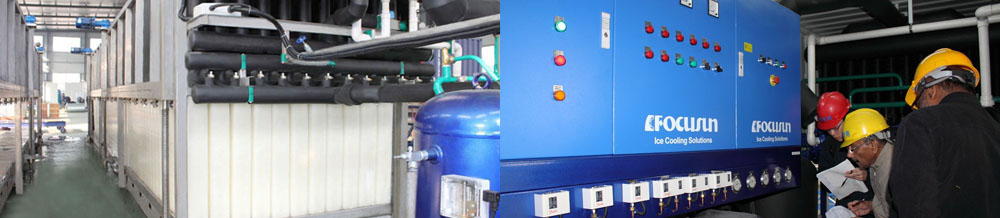
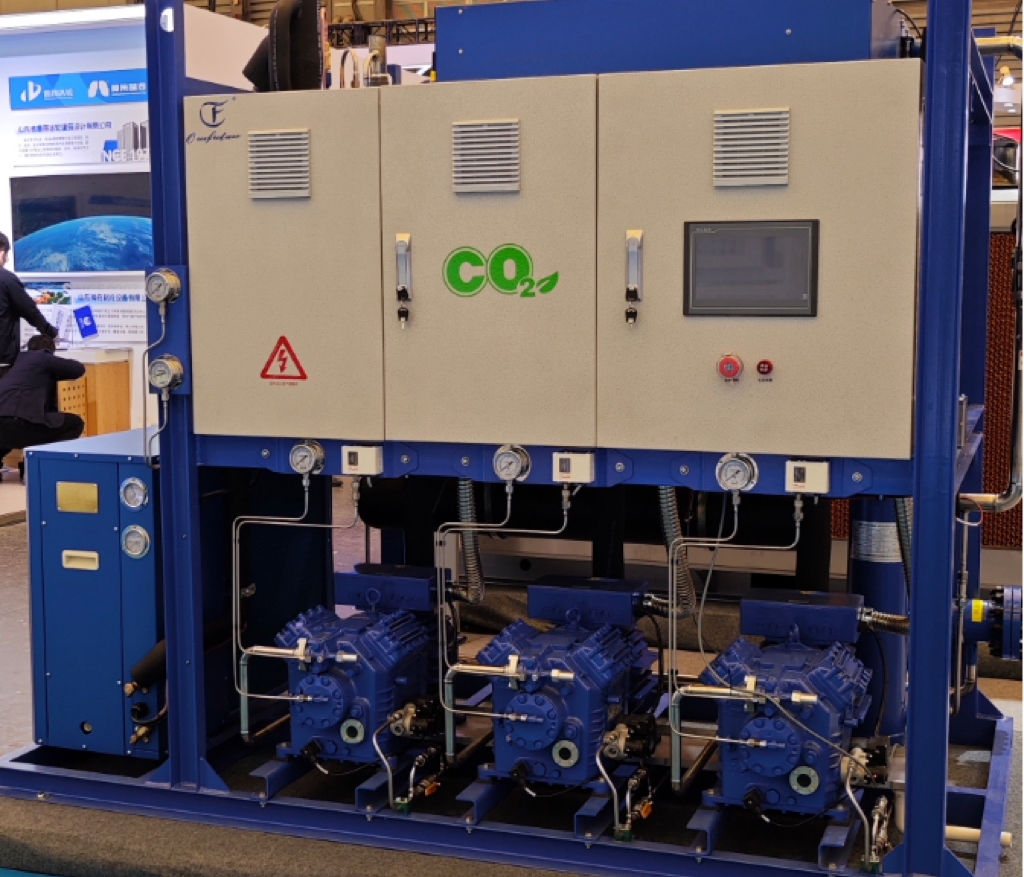
From a thermodynamic performance perspective, carbon dioxide ice makers have lower condensing temperatures. At -10℃, their refrigeration efficiency is 12%-18% higher than Freon models. Especially in industrial ice-making scenarios, Focusun CO₂ industrial ice makers can produce 1-300 tons of ice per day, with energy consumption reduced by more than 20%. Freon models, limited by the characteristics of the refrigerant, are prone to efficiency degradation under high load operation, making them more suitable for small commercial scenarios.
3. Applicable Scenarios: Precise Matching of Needs is the Optimal Solution
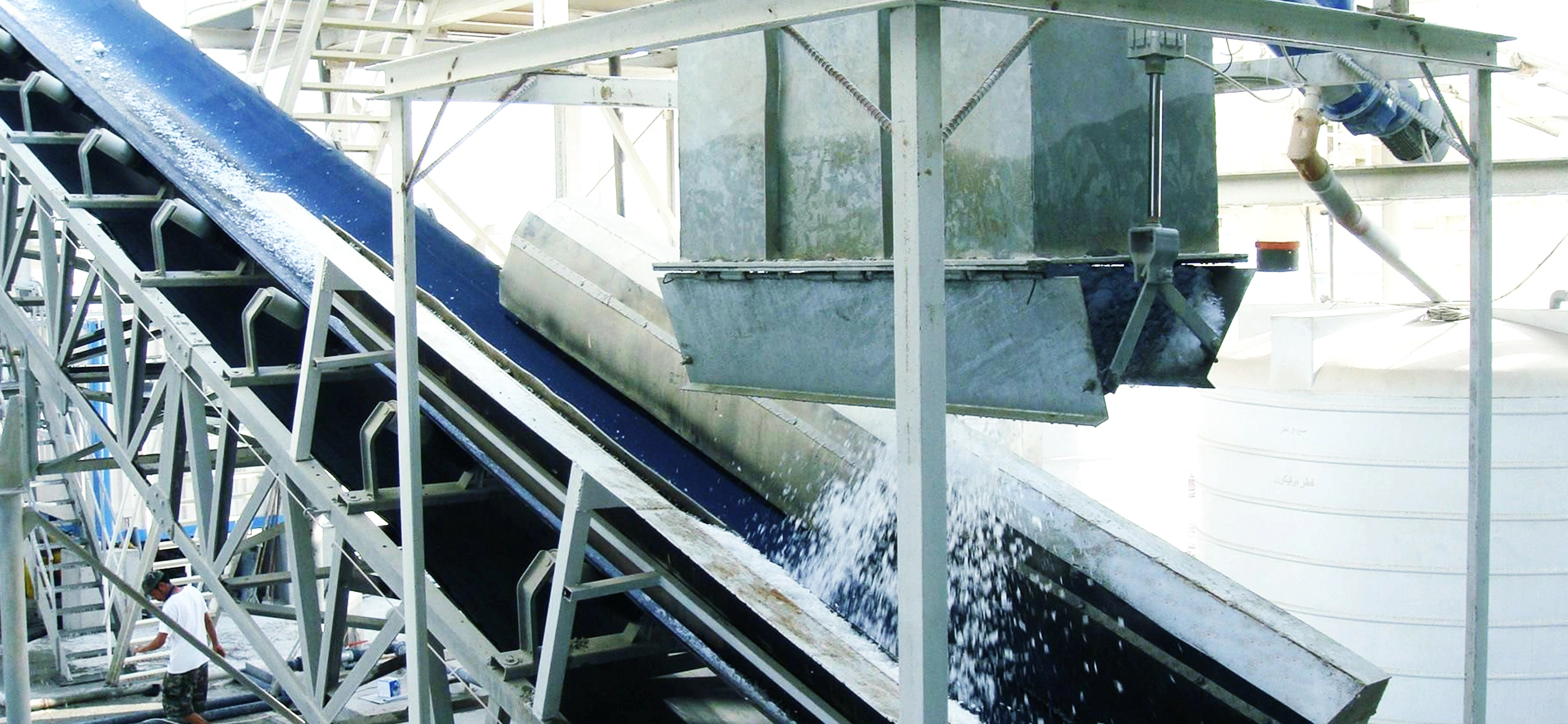
In commercial scenarios, if the daily ice production is less than 5 tons (such as coffee shops and small restaurants), the low initial investment and simple maintenance of Freon ice machines remain attractive. However, for industrial scenarios such as food processing and seafood cold chain, as well as high-end commercial venues with high environmental protection requirements, Focusun CO₂ ice machines are a better choice. Their case studies include Buckingham Palace in the UK and large-scale seafood processing bases, fully validating their adaptability to different scenarios.
The Authoritative Choice: Focusun Ice Machines’ Technical Guarantee
As an industry leader with 18 patented technologies, Focusun Refrigeration has established a comprehensive technology system from R&D to implementation. Customized solutions are available for different needs: small CO₂ ice machines are recommended for commercial scenarios, balancing environmental protection and cost; high-efficiency models are offered for industrial scenarios to meet large-scale ice production needs. A comprehensive after-sales network ensures long-term stable operation of the equipment, fulfilling its global service commitment.
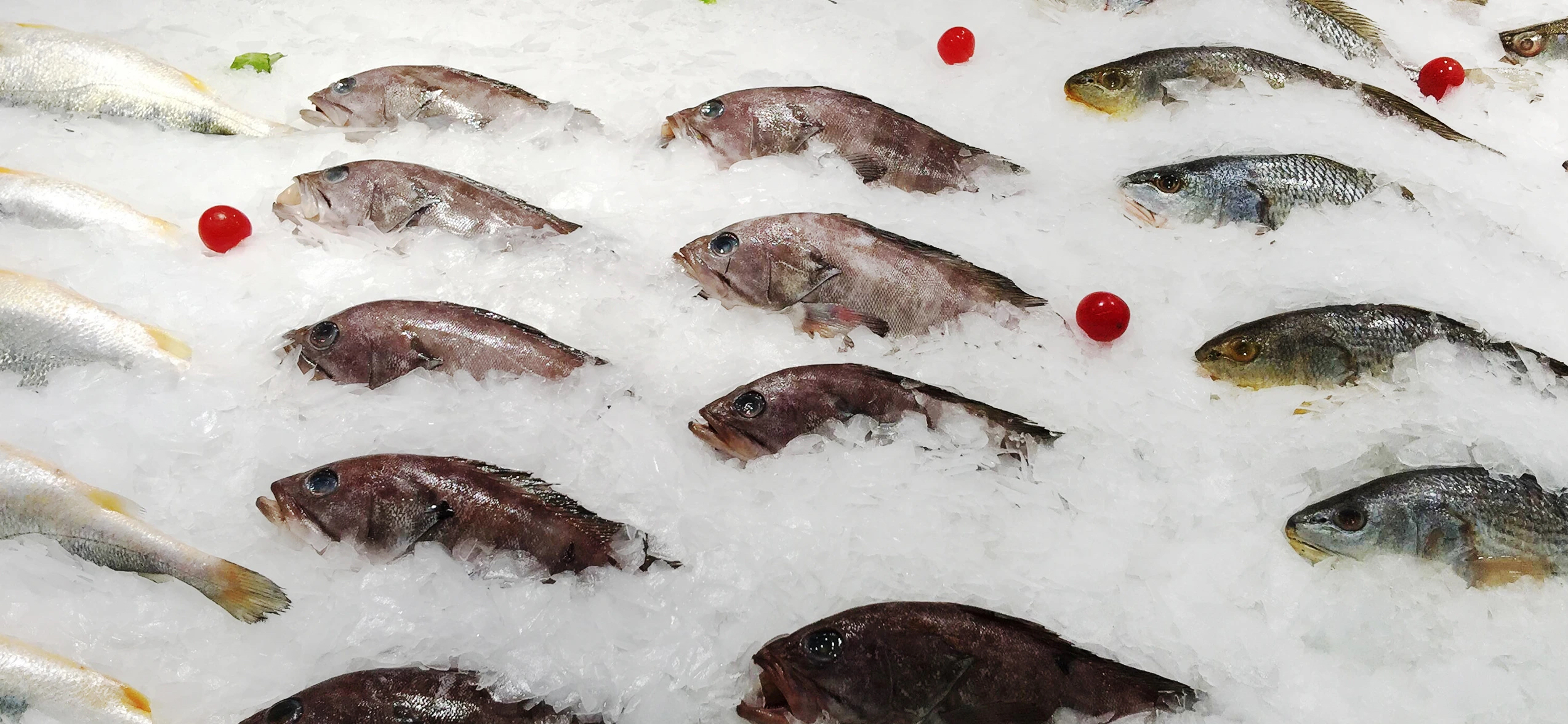
3. Conclusion: Carbon Dioxide Ice Machines are the Mainstream Choice for the Future
From the perspectives of environmental policy guidance, technological advancement, and total life cycle cost, carbon dioxide ice machines have core advantages over Freon ice machines: near-zero emissions, 30% higher efficiency, greater safety, and lower long-term operating costs. The successful application at the Beijing Winter Olympics and the improvement of the international certification system have further solidified its authority and credibility.
For businesses and retailers, the selection of ice makers should be based on long-term development: industrial ice makers should directly choose CO2 models to meet environmental and efficiency requirements; for commercial ice makers, CO2 models should be prioritized for new purchases, with older equipment being gradually replaced. Focusing on environmental protection and high efficiency, CO2 ice makers can not only help businesses reduce operating costs but also enhance their brand’s environmental image, aligning with the global trend of green development.
Contacts & Support
Focusun Refrigeration CorporationRoom 603, Baohong Center
No. 7755 Zhongchun Rd
Shanghai CHINA
ZipCode: 201100
Tel: +86-21-5108 9946
Fax: +86-21-5227 2259
Email: enquiry@focusun.com
Sales: sales@focusun.com
Marketing: marketing@focusun.com
Press: press@focusun.com
Newsletter: newsletter@focusun.com
