


12
2026
What Is A Water Chiller For Industrial Production And Why Does It Improve Cooling Efficiency?
In numerous industrial fields such as plastic injection molding, chemical reactions, food processing, machining, and concrete mixing, the continuous and stable supply of low-temperature cooling water in the production process is crucial for ensuring product quality, improving processing precision, and reducing energy consumption. Traditional heat dissipation methods relying on natural water or cooling towers not only consume large amounts of water resources, but their water temperature is also completely dependent on the ambient temperature, resulting in large fluctuations and poor controllability in process cooling effects, becoming a bottleneck restricting production efficiency and product consistency. Industrial water chiller, as independent, intelligent, and highly efficient precision temperature control devices, are providing modern industrial production with a precise and controllable cooling solution that is independent of the environment, thanks to their superior performance.
What Is A Water Chiller?
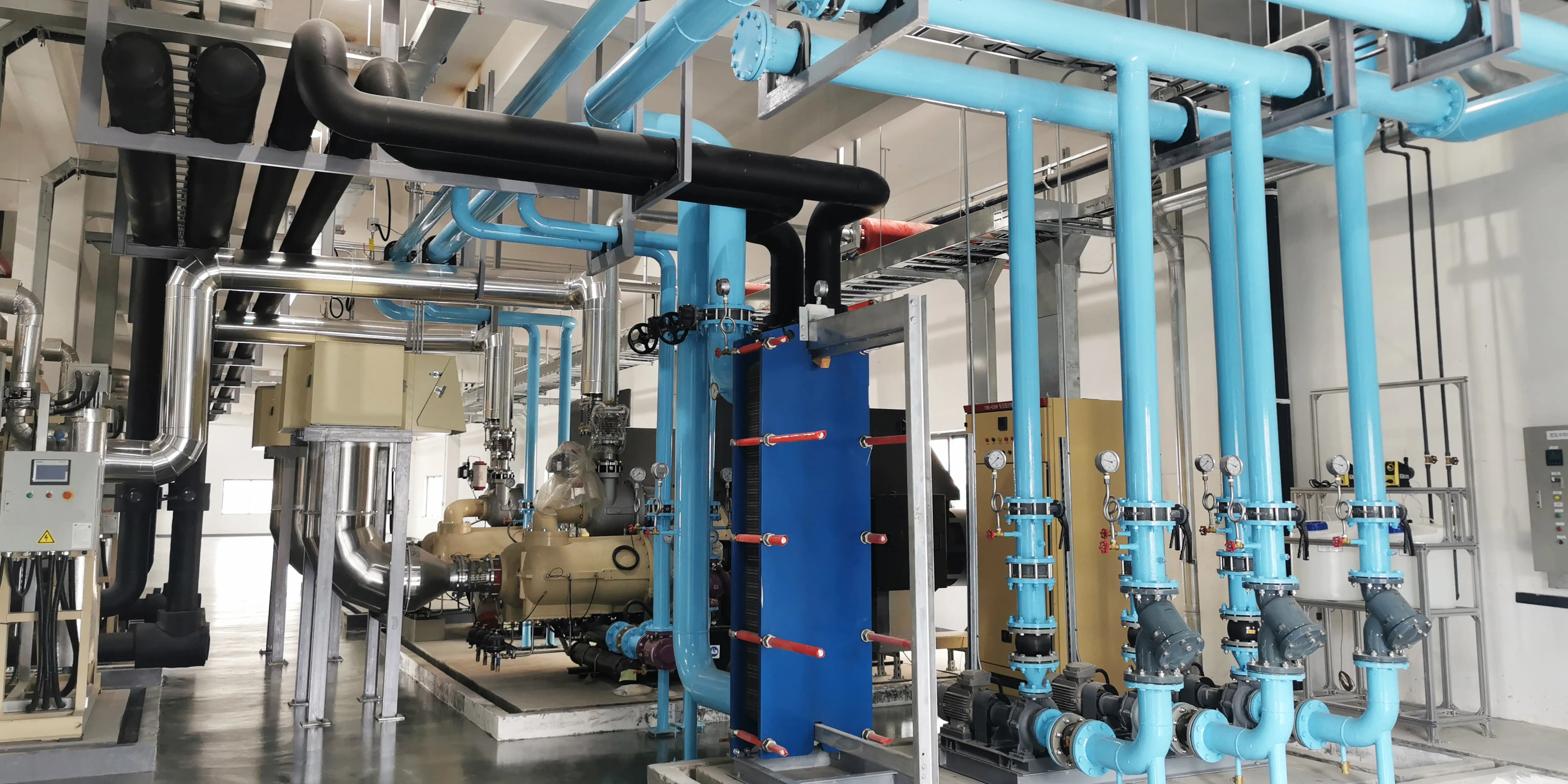
An industrial water chiller isn’t just fancy equipment for making water cold. Think of it as a dedicated, intelligent cooling powerhouse that operates completely independently from environmental conditions. Unlike passive cooling methods that just react to whatever nature throws at them, these systems actively pull heat out of your process water through mechanical refrigeration with surgical precision.
How Does A Water Chiller Work?
Here’s the technical backbone: the system runs on a reverse Carnot cycle. Sounds complicated, but the concept is straightforward once you break it down.
A compressor drives refrigerant through a continuous loop. In the evaporator, that refrigerant absorbs heat from your process cooling water and turns into a low-temperature vapor. The compressor then squeezes that vapor into a hot, high-pressure gas. Next, the condenser releases all that collected heat to the outside environment (through air or water), turning the refrigerant back into liquid. Finally, a throttling device drops the pressure, sending the refrigerant back to the evaporator to start the heat-absorbing cycle all over again.
Meanwhile, a separate water pump keeps your process cooling water moving through the evaporator, where it gets chilled to your exact target temperature before heading out to whatever equipment or process needs it.The bottom line? You get precise, reliable cooling on demand, regardless of what’s happening with the weather outside.
Top-tier water chiller manufacturer like Focusun have pushed this technology well beyond basic refrigeration. Their multi-stage cooling approach is a perfect example of engineering meeting real-world efficiency needs. Take their four-stage system. It can cool water from 45°C all the way down to near freezing (0.5°C) through a carefully orchestrated sequence where each stage tackles a specific temperature range with optimized energy efficiency. Stage one uses an evaporative condenser for cost-effective pre-cooling. Stages two and three deploy high-efficiency plate or shell evaporators to knock the temperature down significantly while keeping power consumption reasonable. Then stage four employs specialized antifreeze technology for that final deep cooling push.
Why go through all this complexity? Because single-stage cooling systems lose efficiency dramatically when you ask them to hit very low temperatures. This refined, step-by-step approach maintains peak heat exchange performance across the entire cooling range while minimizing the energy you’re paying for. That gap between traditional and advanced cooling widens substantially when you’re running 24/7 operations where every watt counts.
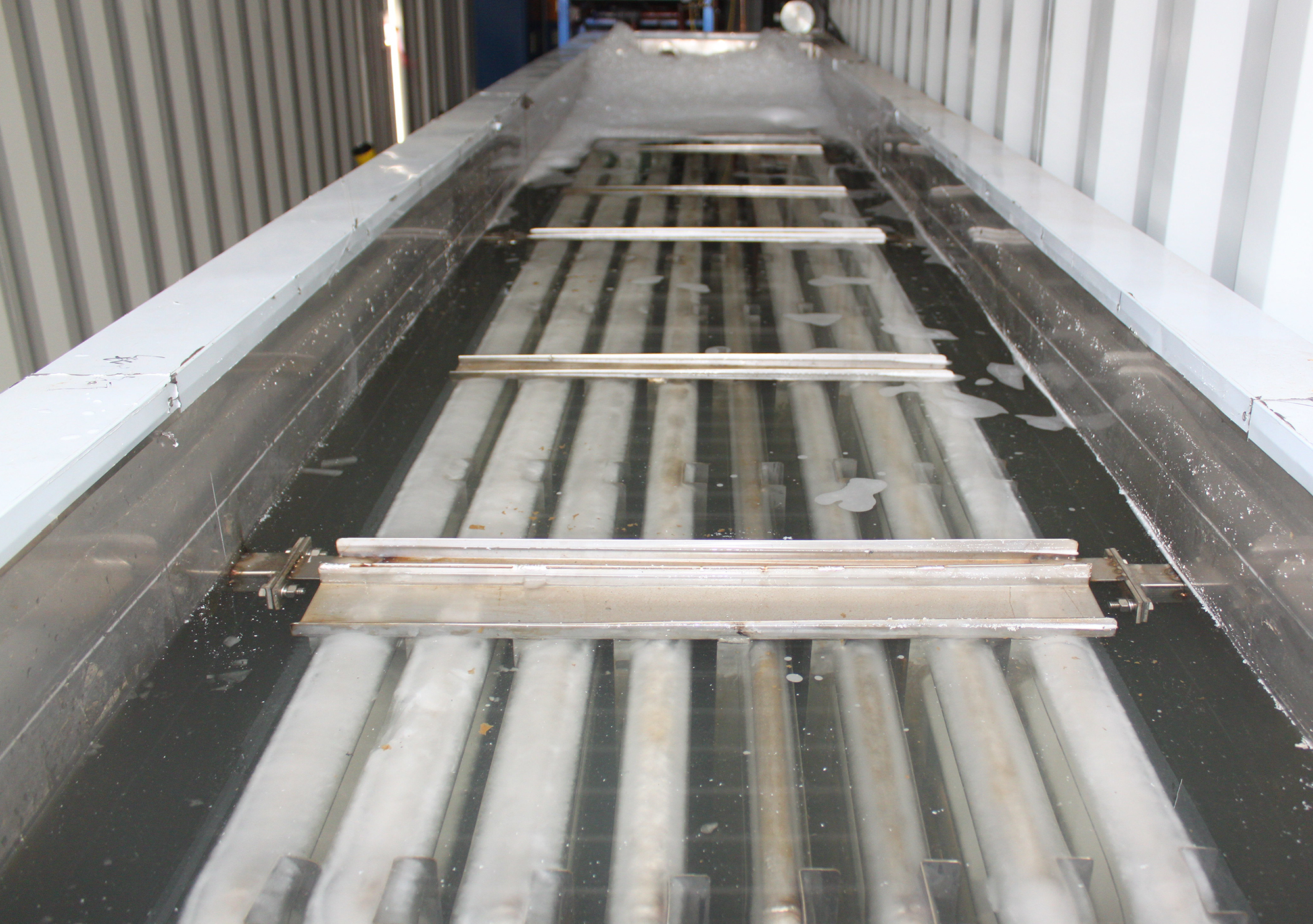
Water Chillers VS Traditional Cooling: Why Does It Significantly Improve Cooling Efficiency?
The value proposition of modern industrial water chiller system boils down to redefining what “reliable” and “economical” actually mean in cooling operations.
1. Temperature Control That Actually Works
Old-school cooling methods leave you at the mercy of weather patterns. Your water temperature swings wildly between seasons and even throughout a single day. Try running precision machining or controlled chemical reactions with that kind of variability—it’s a recipe for inconsistent results.
Industrial water chiller flips that script entirely. Through independent refrigeration paired with intelligent temperature controllers, these systems hold outlet water temperature within ±0.5°C of your target, or even tighter if your process demands it. External conditions—scorching summer days, freezing winter nights—become irrelevant. Your injection molds stay at the exact temperature needed for uniform parts. Chemical reaction rates remain controllable. Food quick-freezing delivers consistent results. The direct payoff? Better product qualification rates and production rhythms you can actually depend on.
2. Real Water and Energy Savings
Traditional open cooling towers suffer from water evaporation losses, scaling, and water drift, resulting in high water consumption and maintenance costs. The closed-loop water circulation system of the water chiller enables internal recycling of process cooling water, achieving water savings of over 95%. Simultaneously, its high-efficiency compressor, optimized heat exchanger design, and multi-stage cooling strategy result in a significantly higher coefficient of performance (COP) than traditional simple refrigeration equipment, and a substantial reduction in long-term power consumption.
3. Intelligence That Integrates With Your Operation
Today’s industrial water chilling system has evolved into what you might call smart cooling stations. They come loaded with capabilities that older equipment couldn’t dream of: fault self-diagnosis, remote monitoring, signal outputs, and interlocking controls that sync with your main production equipment.
This means seamless integration into factory automation networks like MES or PLC systems. Operators can set and monitor water temperatures from anywhere. Even better, the equipment automatically adjusts its cooling capacity based on actual production load. Need less cooling during a slow period? The system scales back, saving energy. Production ramps up? Cooling output increases to match. It’s on-demand cooling that optimizes total energy use without anyone needing to manually fiddle with settings.
| Comparison Dimension | Industrial Water Chiller | Traditional Cooling Methods(e.g., Cooling Tower, Natural Water) |
| 1. Temperature Control Precision & Stability | Precise, Stable, Independent | Fluctuating, Environment-Dependent |
| 2. System Design & Operating Costs | Closed-Loop, Energy Efficient | Open-Loop, High Loss/Cost |
| 3. Intelligence & Integration Capability | Smart Integration, Automatic Regulation | Manual, Isolated Operation |
| 4. Impact on Production Process | Enhances Yield & Stability | Compromises Process Consistency |
Features of the Water Chiller
-
Rock-Solid Reliability
Look for imported, brand-name compressors. They run quieter, deliver better energy efficiency, and last significantly longer than cheaper alternatives. Durability matters when this equipment becomes critical infrastructure for your operation.
-
Independent Control Systems
The refrigeration and water circulation systems should operate independently, with automatic cooling capacity adjustment. Temperature setpoint changes? The system adapts without manual intervention.
-
Advanced Monitoring Technology
Fault alarms, self-testing diagnostics, signal outputs, and temperature monitoring that links with your main production equipment—these aren’t luxury features. They’re essential for minimizing downtime and maintaining process control.
-
Customization Support
Different cooling stages can be customized to improve energy efficiency.
-
Easy Maintenance
Features like electrostatically coated plastic casings, thoughtful European design elements, attractive appearance, and easy access for service work all contribute to lower maintenance costs over the water chiller’s lifetime.
Applications of the Water Chiller
Water chiller has become indispensable across an impressive range of industries.
In construction, they provide precisely controlled cooling water for concrete work, ensuring proper curing and preventing thermal cracking. The plastics industry uses them to maintain exact temperatures for molded products, keeping quality absolutely consistent batch after batch.
Food processing facilities, machinery manufacturers, and chemical plants all depend on these systems. Beyond those core applications, you’ll find water chilling systems in die casting operations, printing facilities, biological research, vegetable processing, pharmaceutical manufacturing, and even floriculture operations. Anywhere precise temperature control matters, these systems deliver.
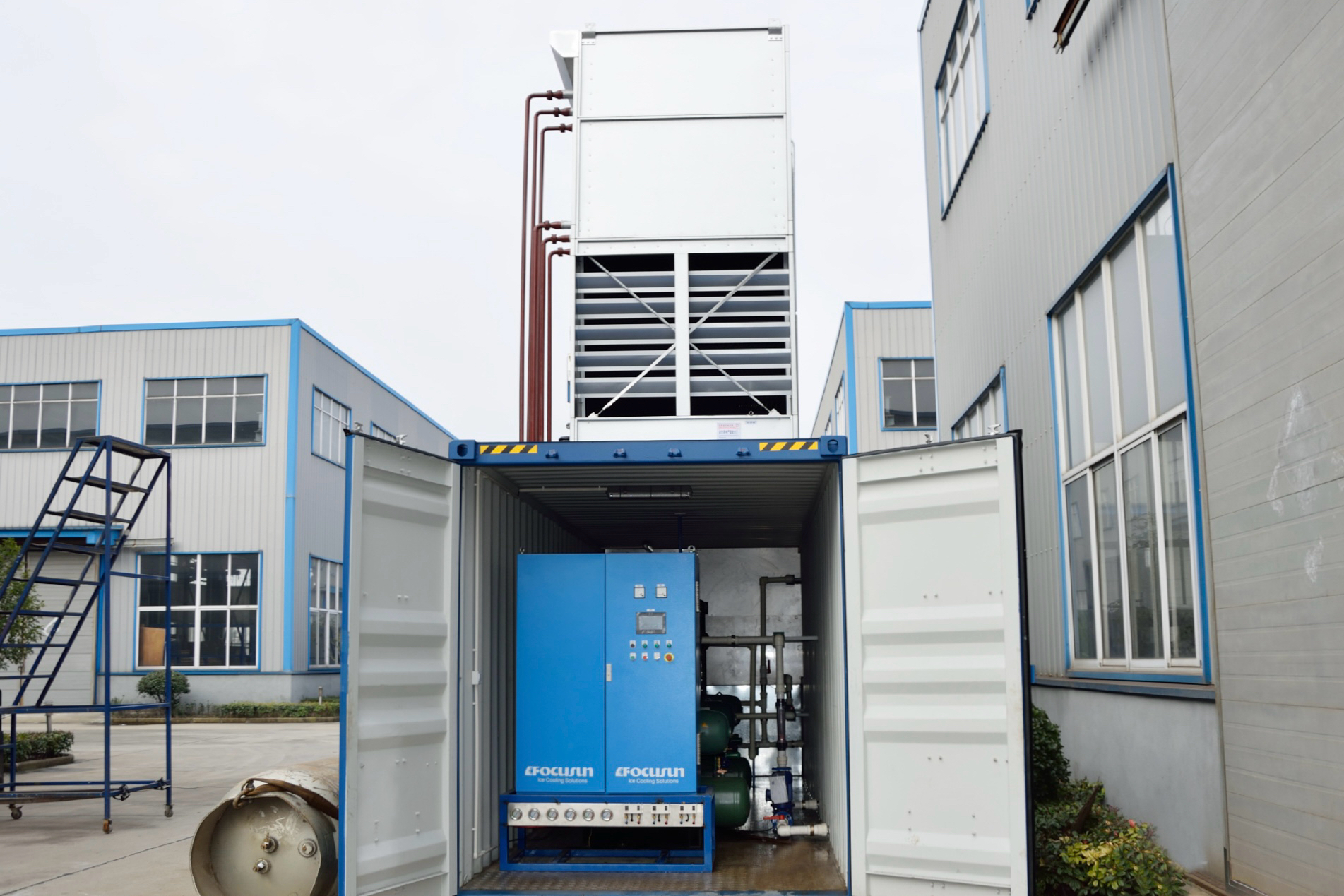
Common Questions About Water Chiller
Q1. Is water chiller customization available?
Absolutely. Focusun build excellent water chillers in various models for diverse applications. Each unit can be tailored to your exact specifications and cooling requirements.
Q2.How safe and reliable is the water chiller?
Industrial water chiller is equipped with electrical components from recognized brands. Built-in fault alarms and self-diagnostic functions catch problems before they become failures, keeping your operation running safely and smoothly.
Q3. What is the energy consumption of the water chiller?
The water chiller’s closed-loop water circulation system enables internal recycling of process cooling water, achieving a water saving rate of over 95%. Furthermore, its four-stage cooling system significantly reduces power consumption during long-term operation.
Conclusion: Choosing An Efficient and Safe Industrial Cooling Solution – Focusun Water Chiller
Here’s the reality for modern industrial production: a high-performance industrial water chiller isn’t optional equipment anymore. It’s critical infrastructure that locks down core process parameters, slashes overall operating costs, and elevates your production automation capabilities.
Choosing a professional industrial water chiller manufacturer like Focusun is choosing a development path towards higher efficiency and stronger competitiveness. By providing precise cooling capabilities unconstrained by the environment, it transforms the unstable factors in traditional production into controllable and optimizable process parameters, marking a significant step for industrial enterprises towards efficient, green, and intelligent manufacturing.
Contacts & Support
Focusun Refrigeration CorporationRoom 603, Baohong Center
No. 7755 Zhongchun Rd
Shanghai CHINA
ZipCode: 201100
Tel: +86-21-5108 9946
Fax: +86-21-5227 2259
Email: enquiry@focusun.com
Sales: sales@focusun.com
Marketing: marketing@focusun.com
Press: press@focusun.com
Newsletter: newsletter@focusun.com
